The base map could not load. Timeline results remain available in the place list.

Historical layers are approximate visual reconstructions. Select a legend item to inspect its date, evidence basis and limits.

Optional sound is an original procedural atmosphere, not a reconstruction of historical music.

How to read the atlas

Many lifeways coexist in every period.

Farming, fishing, foraging, pastoralism, craft production and urban life are not a ladder of progress. Missing markers indicate incomplete evidence or coverage, never an absence of history.

Read the evidence method

Global visual archive

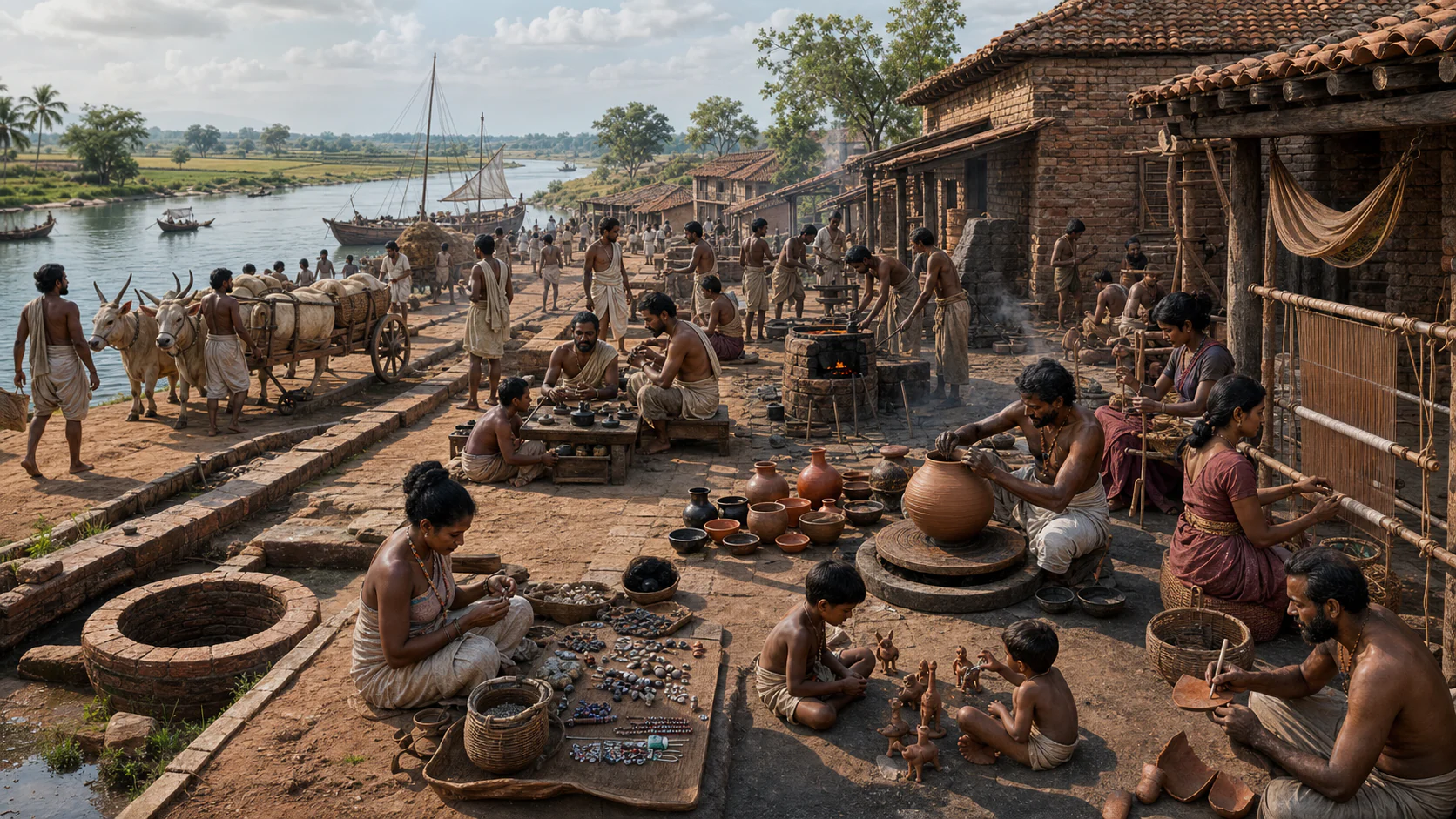
History is work, movement and lived landscape

These reconstructions widen the atlas beyond palaces and famous rulers. Each scene is tied to a dated place and remains interpretive.
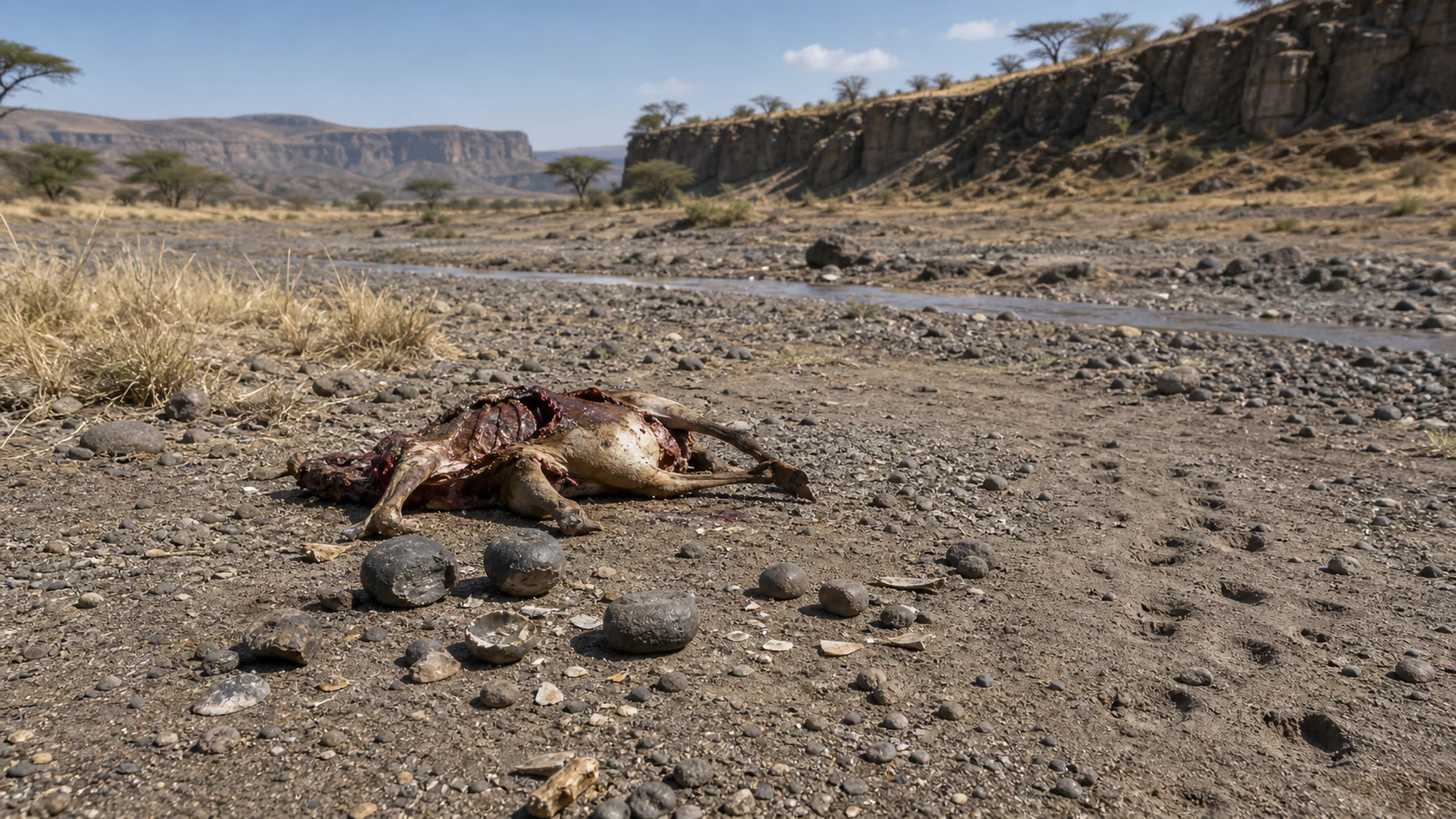
Interpretive reconstruction: Olduvai tool landscape
Olduvai tool landscapec. 1.8 million years ago · Africa · Evidence-focused locality; hominin appearance is intentionally not reconstructed.
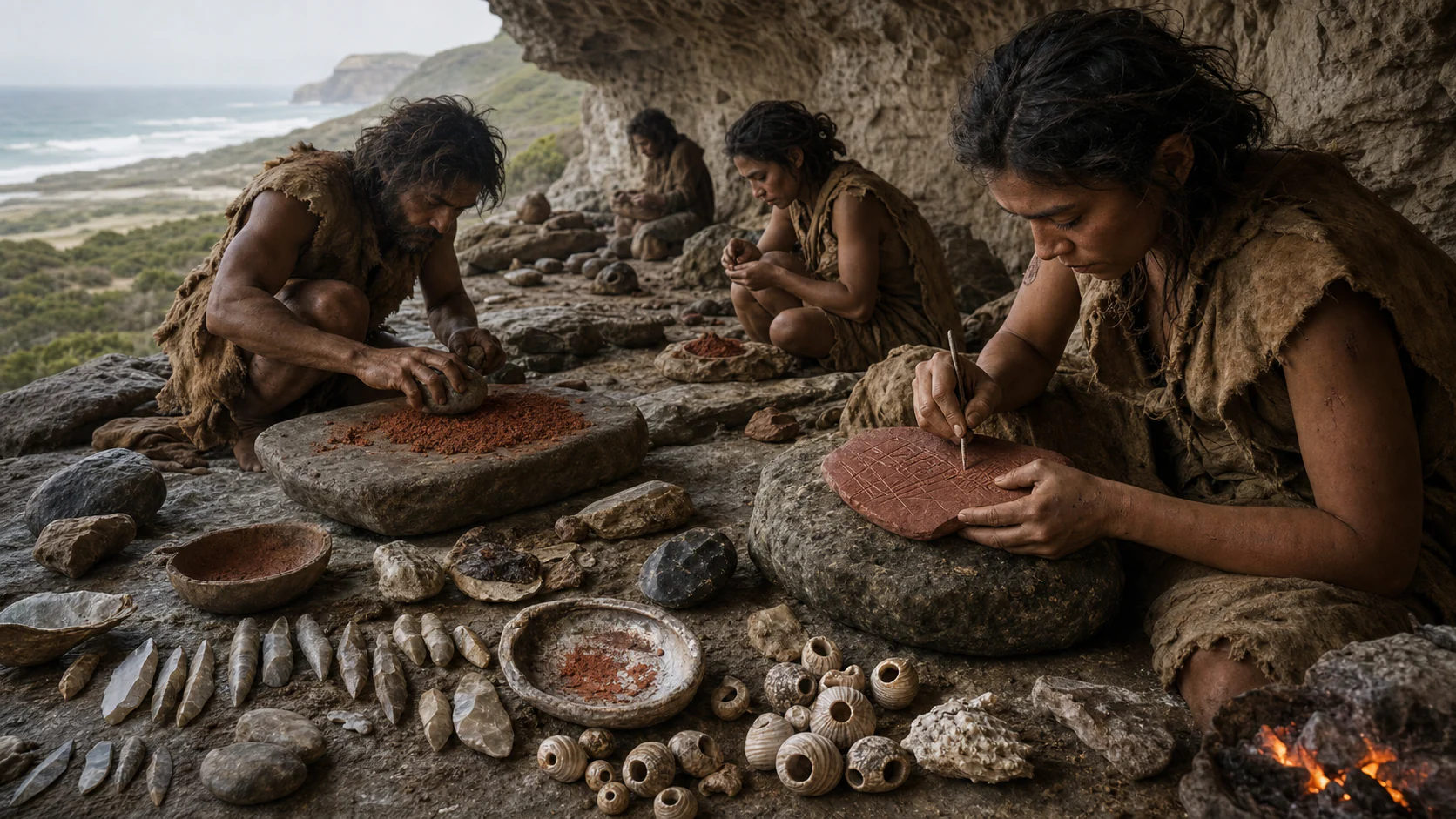
Interpretive reconstruction: Blombos ochre work
Blombos ochre workc. 70,000 years ago · Africa
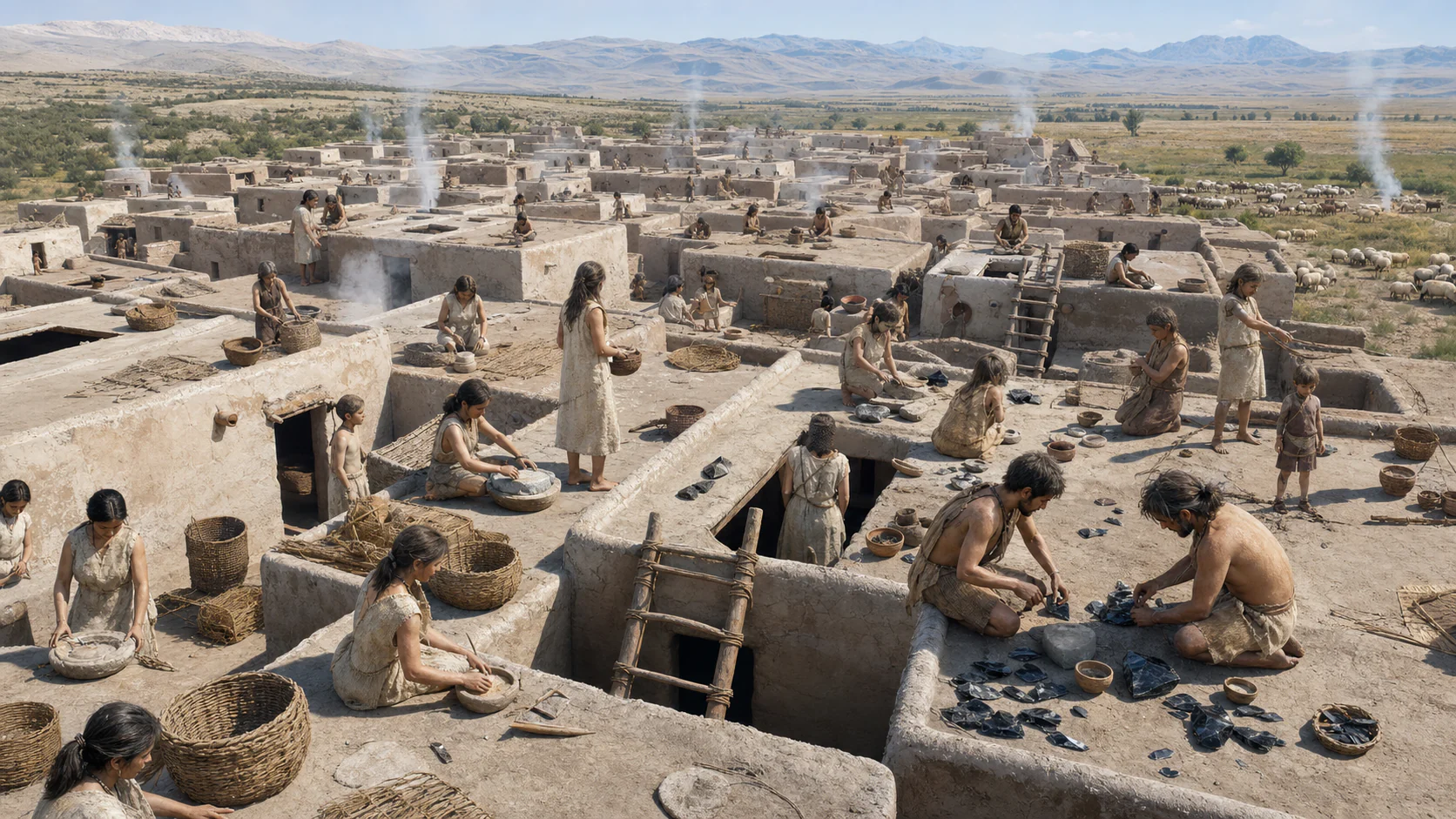
Interpretive reconstruction: Central Anatolian village
Central Anatolian villagec. 7000 BCE · West Asia
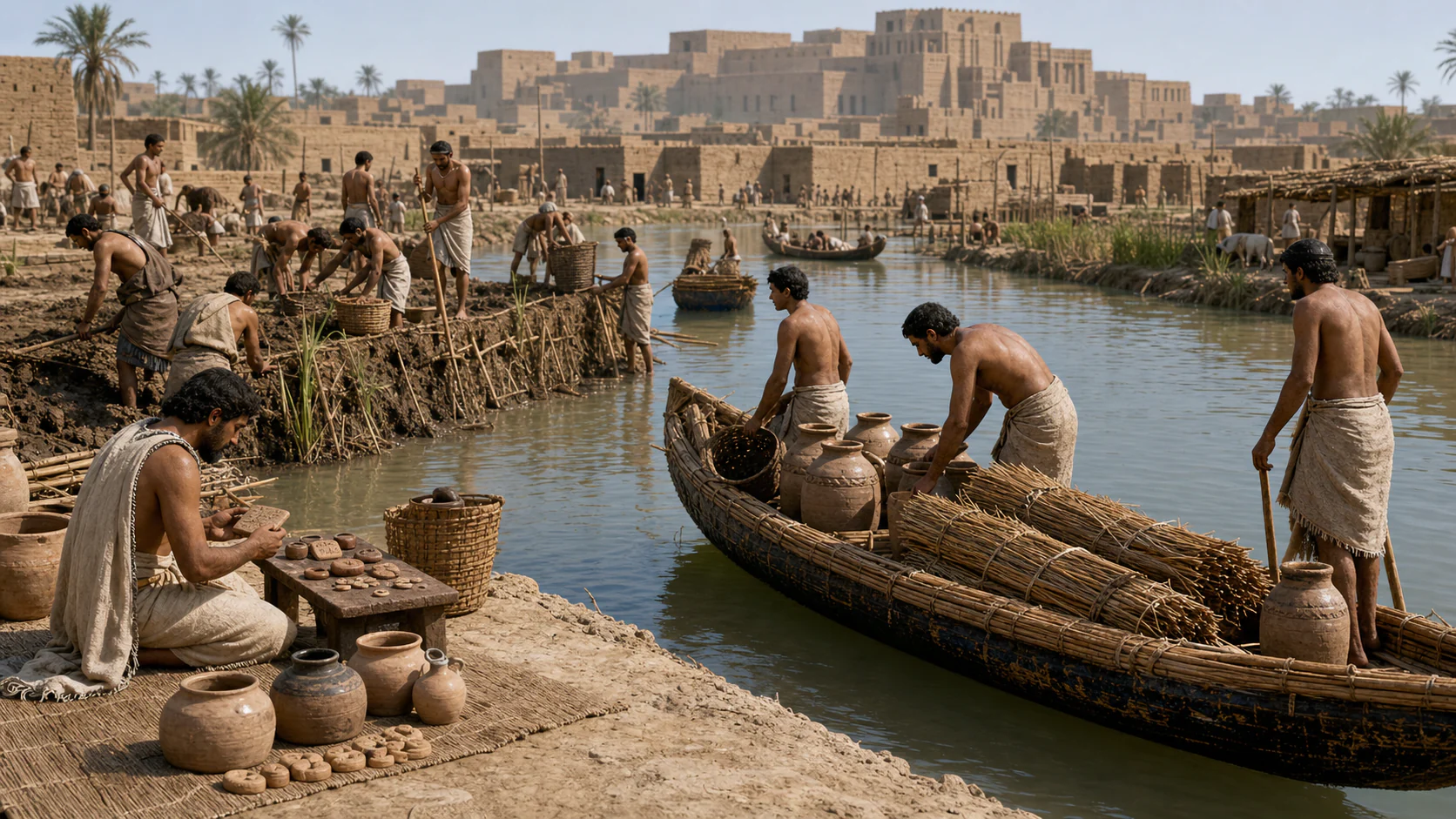
Interpretive reconstruction: Uruk canal work
Uruk canal workc. 3200 BCE · West Asia
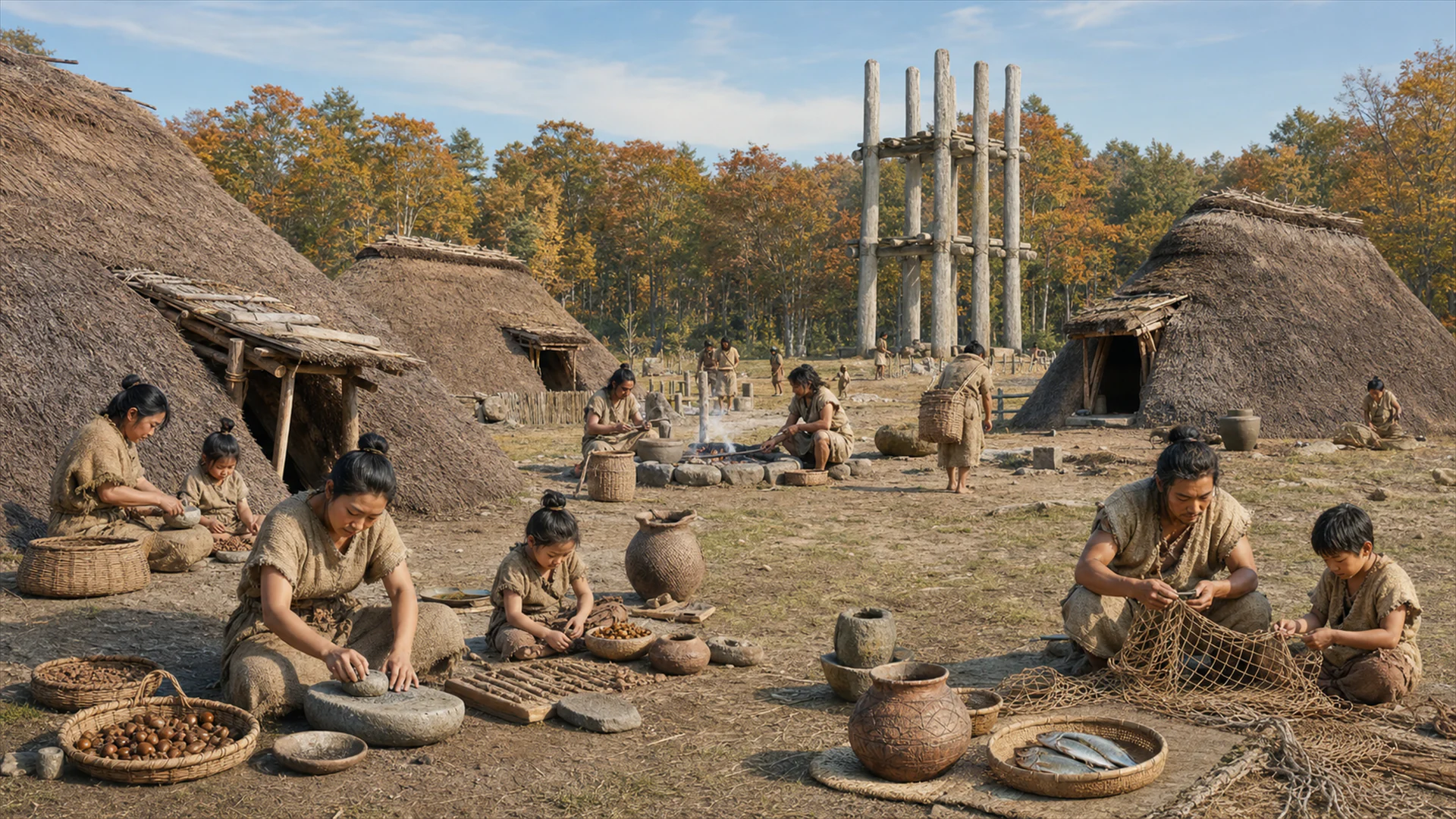
Interpretive reconstruction: Jomon settlement life
Jomon settlement lifec. 3000 BCE · East Asia
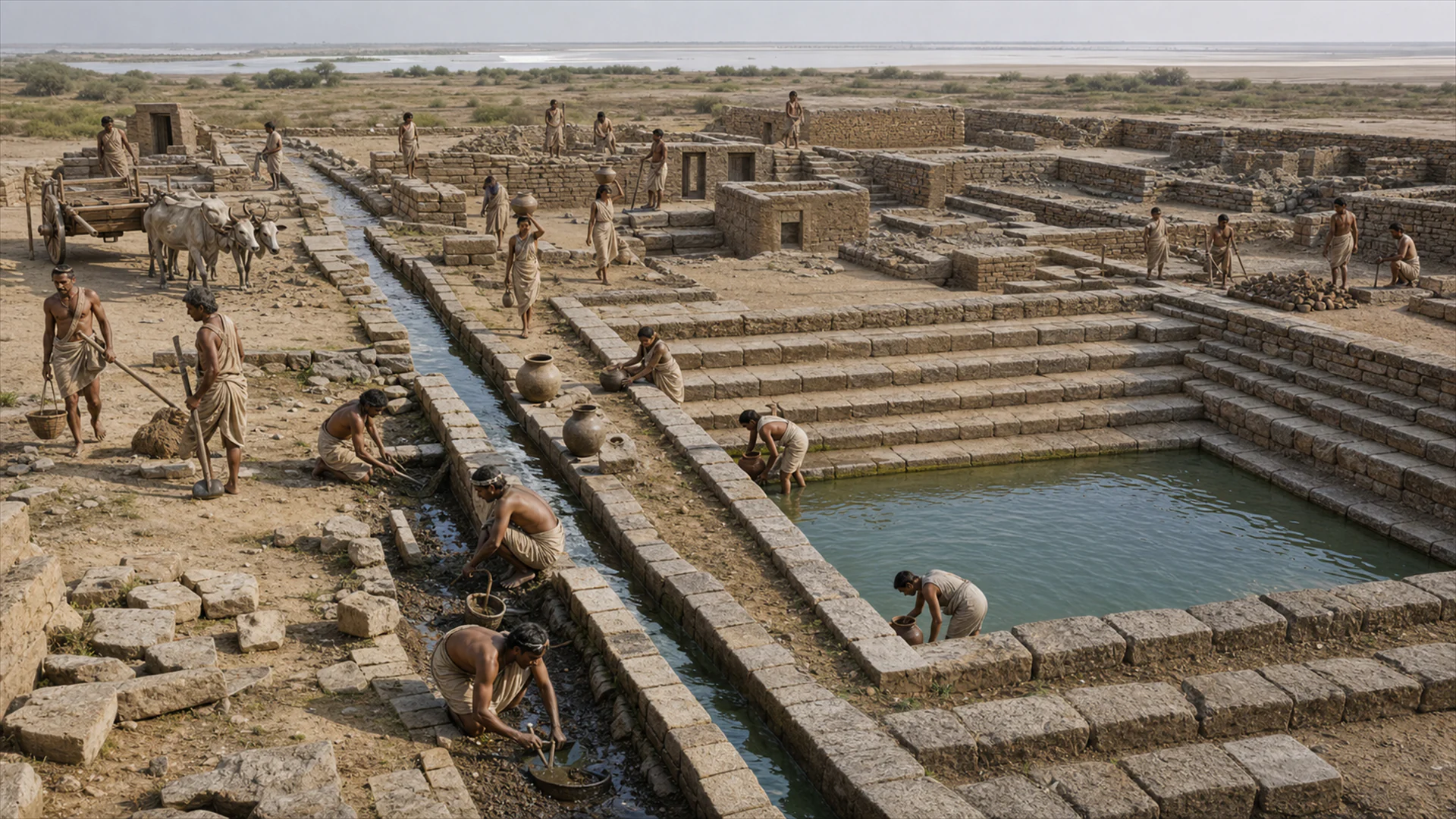
Interpretive reconstruction: Indus water engineering
Indus water engineeringc. 2300 BCE · South Asia
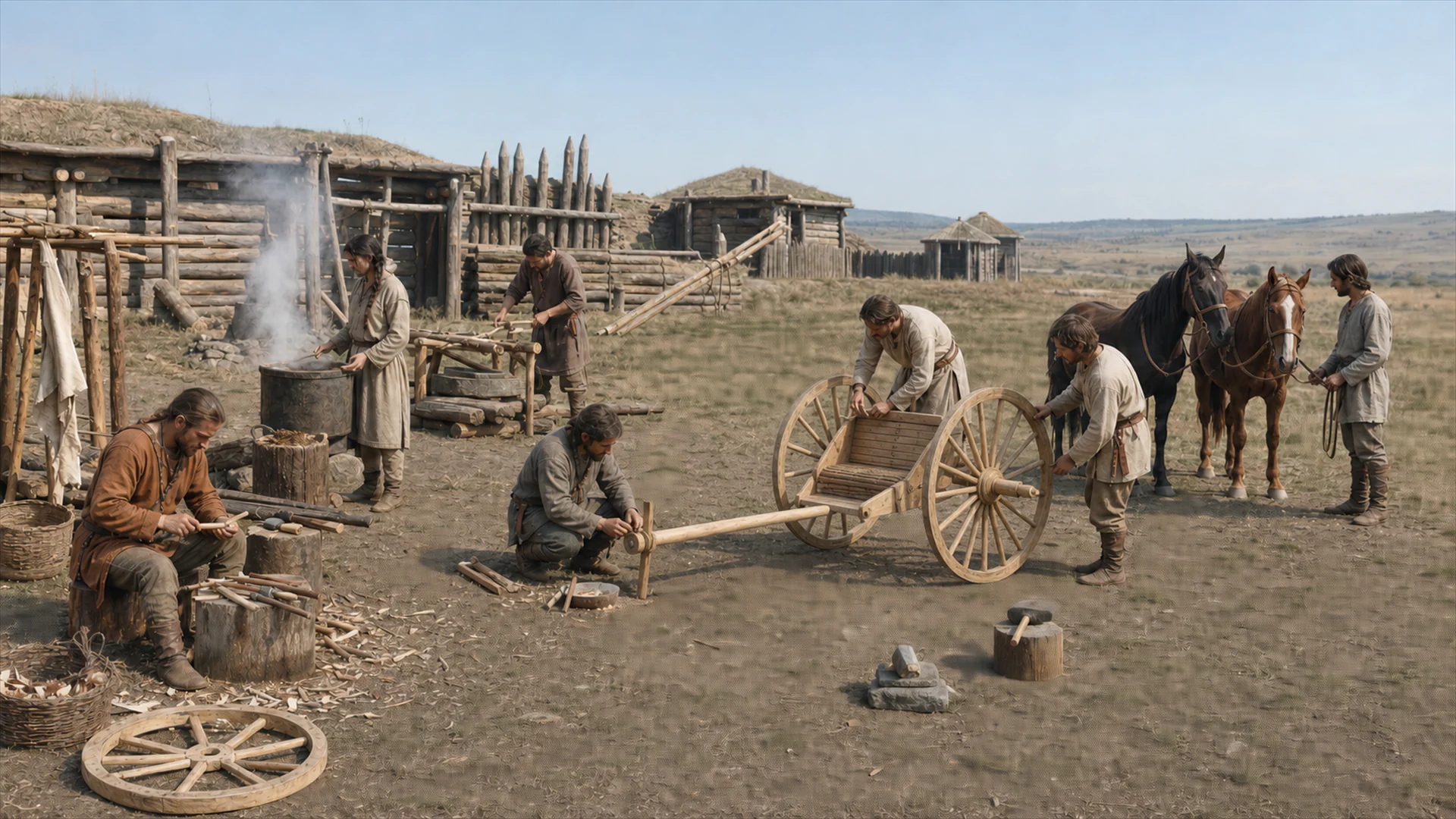
Interpretive reconstruction: Sintashta chariot workshop
Sintashta chariot workshopc. 1900 BCE · Central Asia
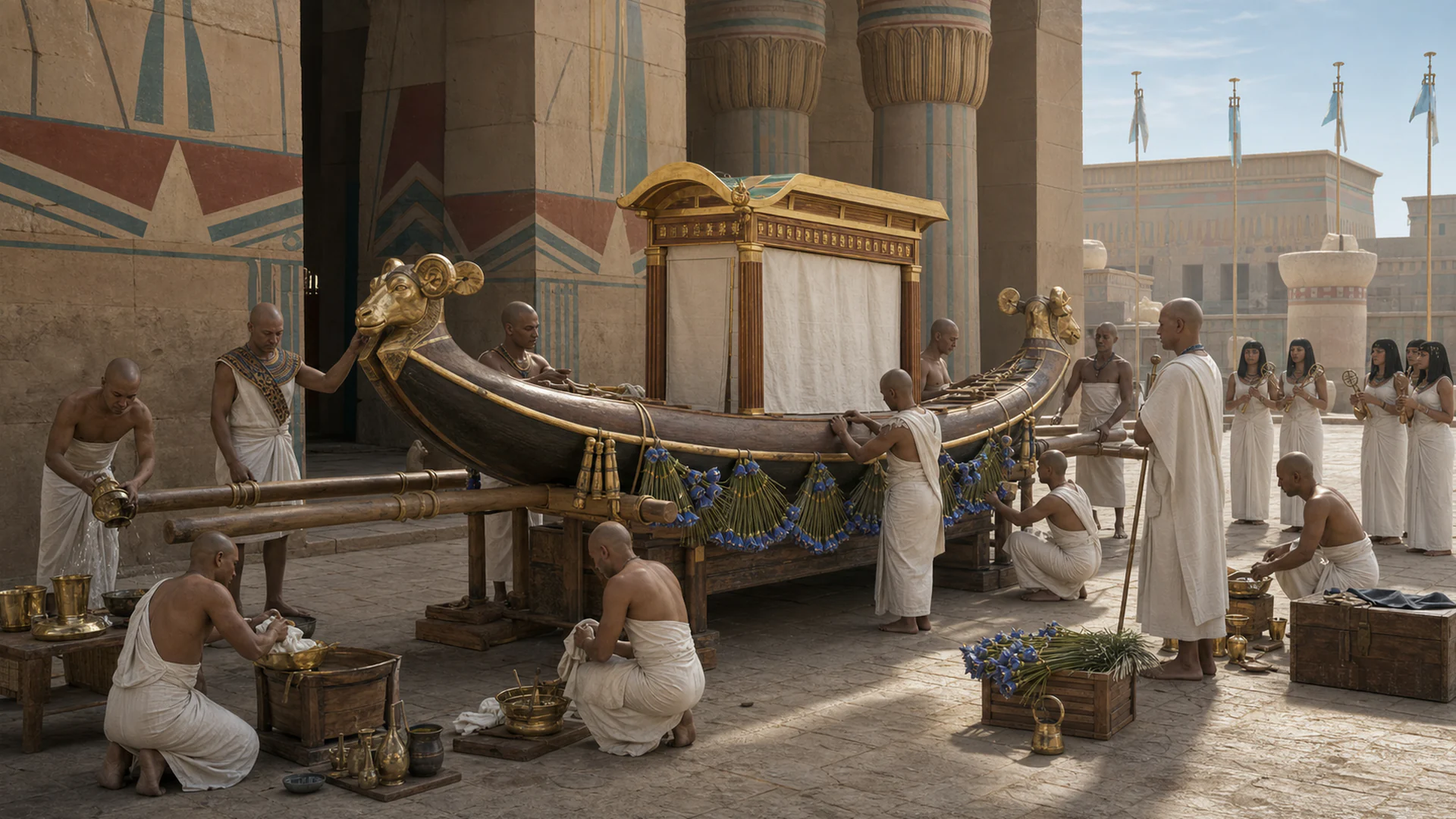
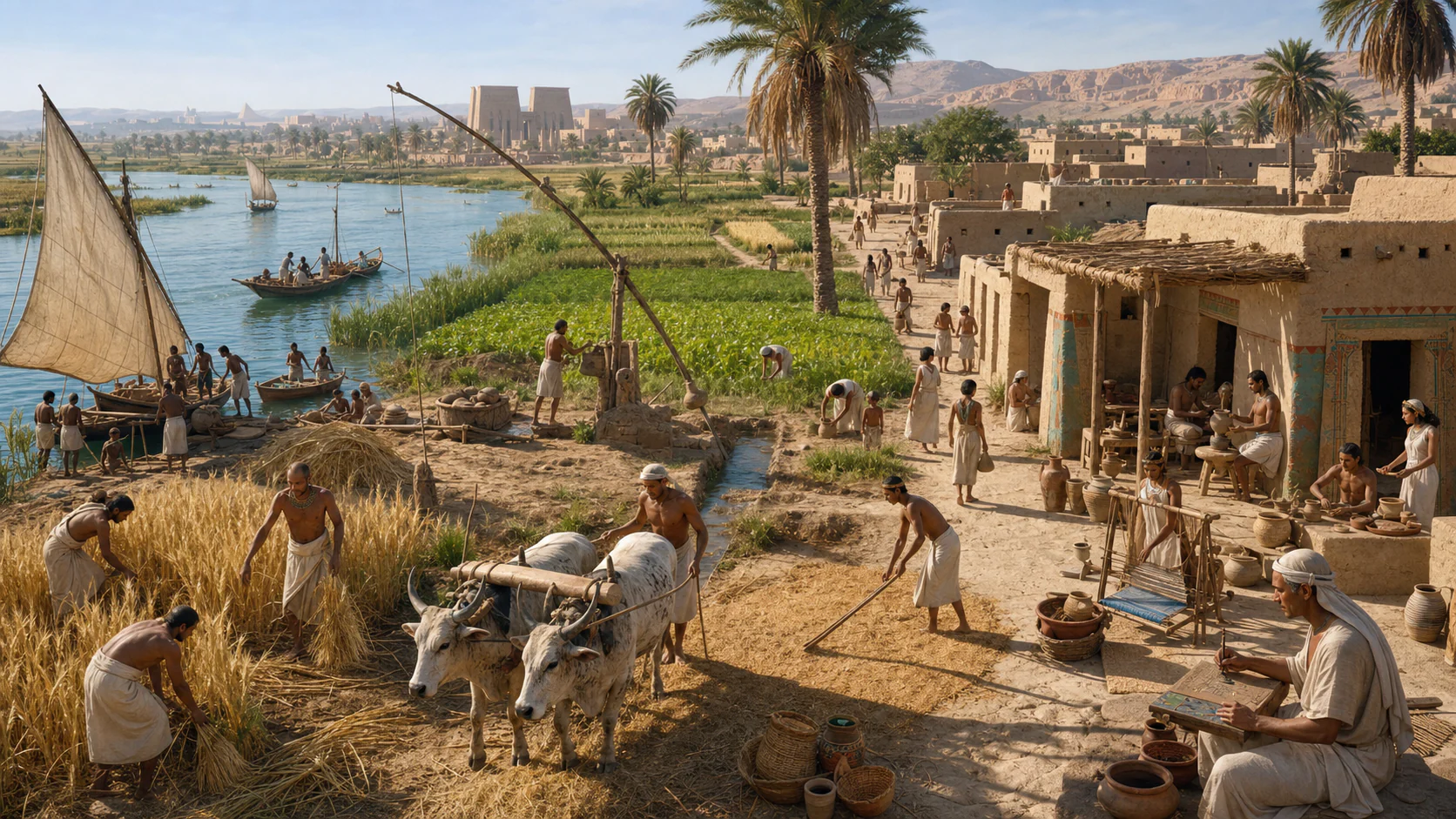
Interpretive reconstruction: Preparing Amun's festival barque
Preparing Amun's festival barquec. 1250 BCE · Egypt · Composite reconstruction; architectural decoration is partly conjectural.
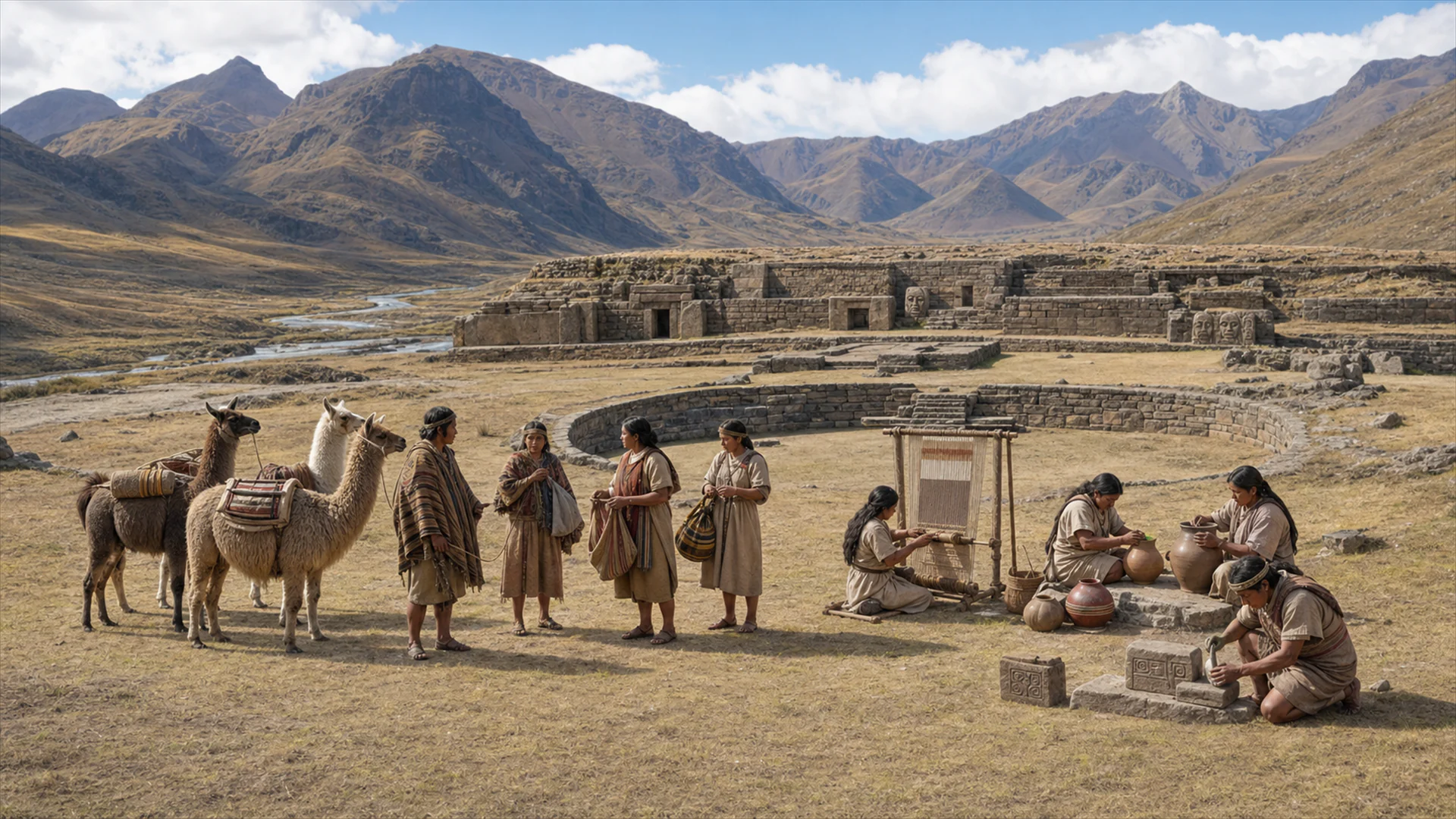
Interpretive reconstruction: Chavin pilgrimage and craft
Chavin pilgrimage and craftc. 700 BCE · South America
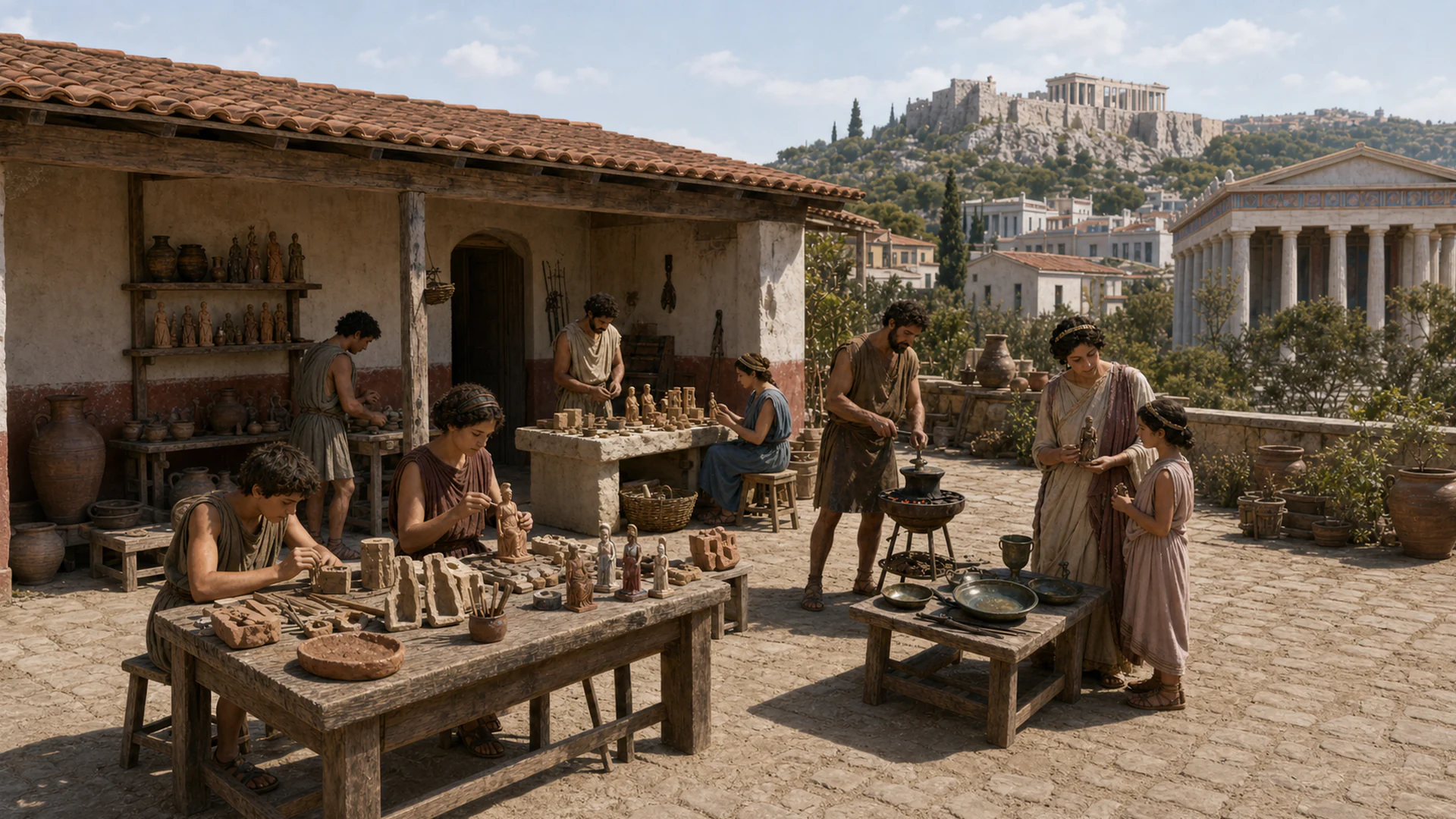
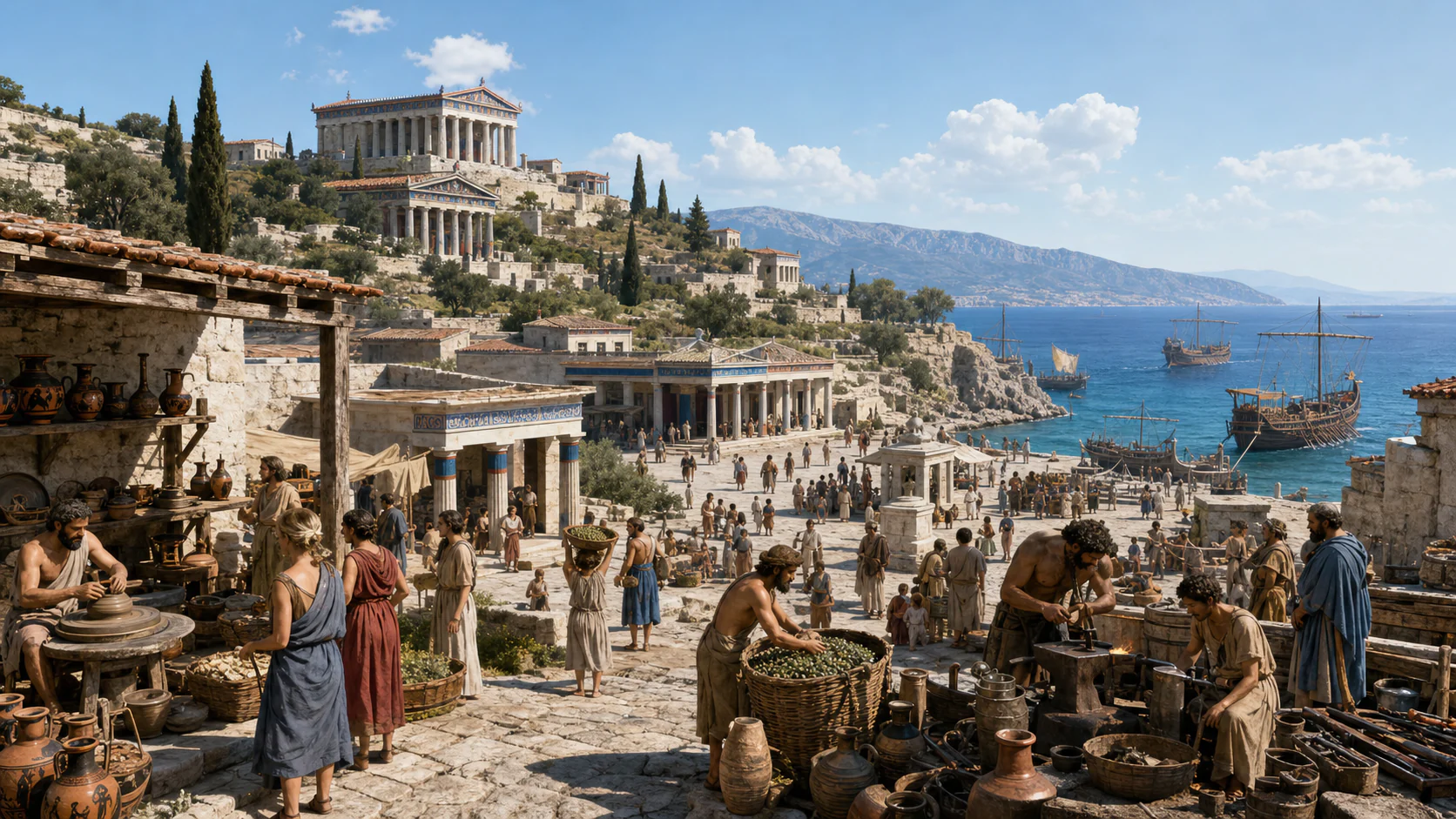
Interpretive reconstruction: Athena votive workshop
Athena votive workshopc. 430 BCE · Greece · Workshop location, workforce and sightline are interpretive.
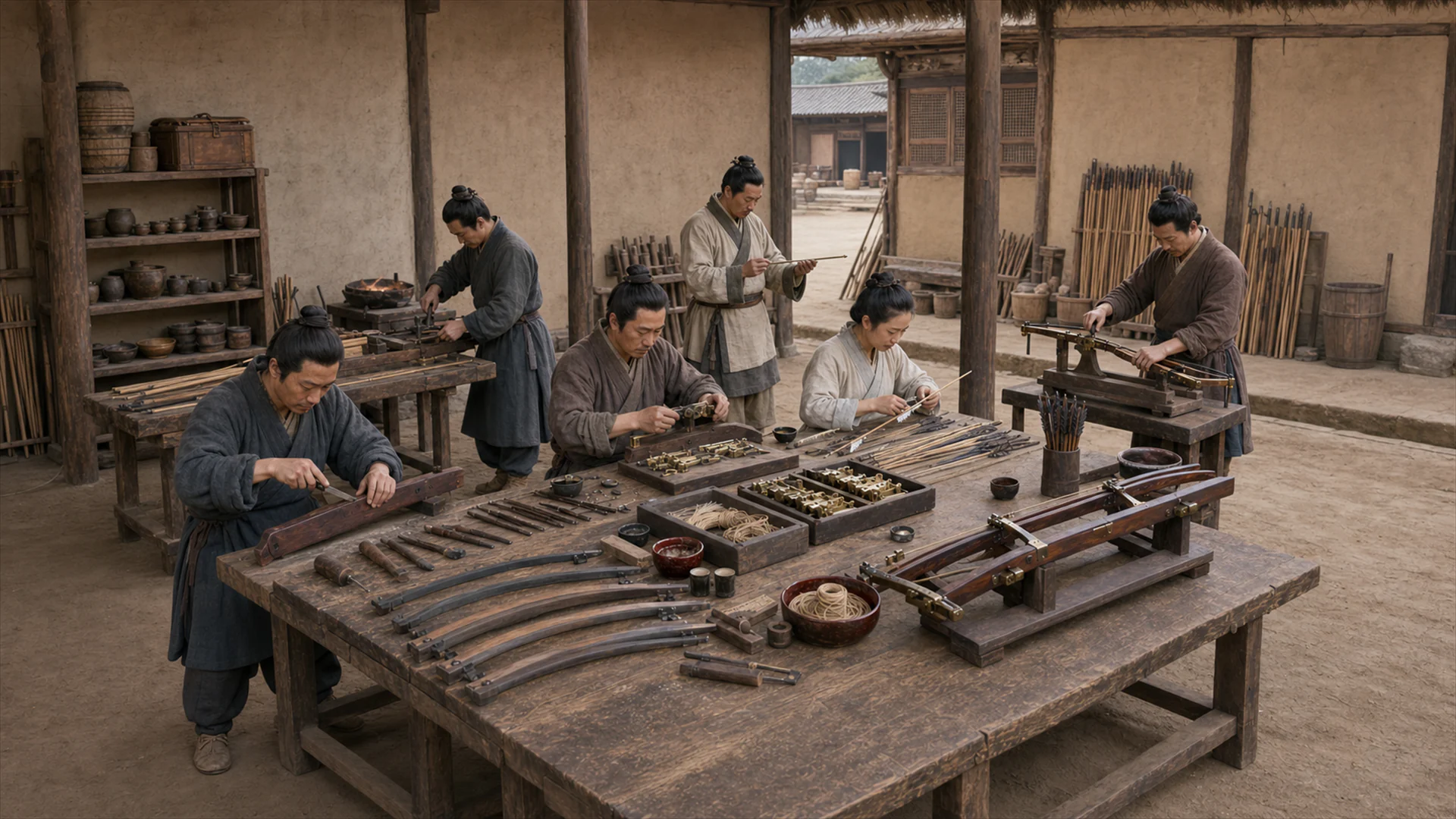
Interpretive reconstruction: Qin crossbow workshop
Qin crossbow workshopc. 220 BCE · East Asia
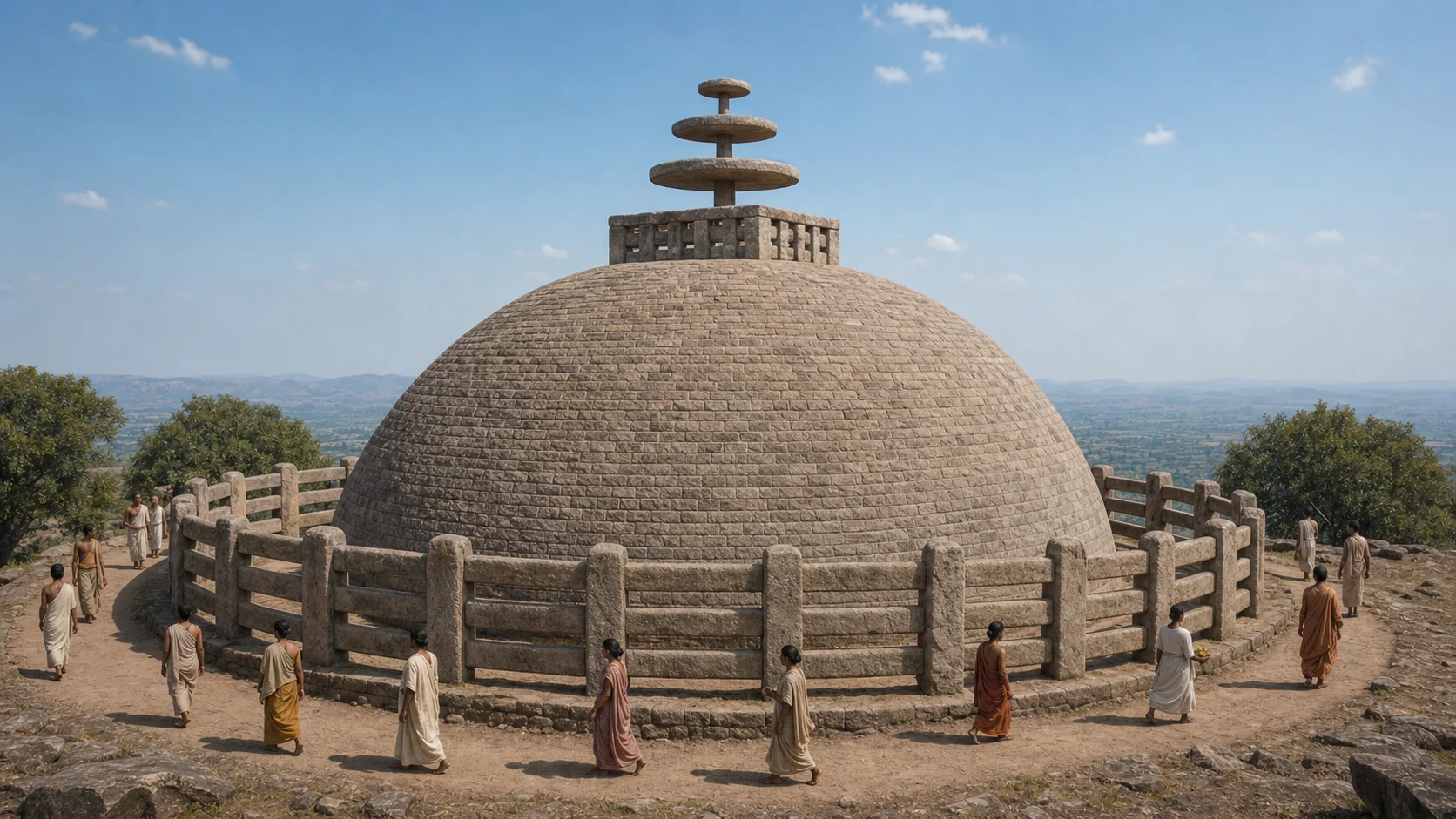
Interpretive reconstruction: Sanchi pilgrimage
Sanchi pilgrimagec. 100 BCE · South Asia · Reconstruction of movement around the Great Stupa, not a recorded event.
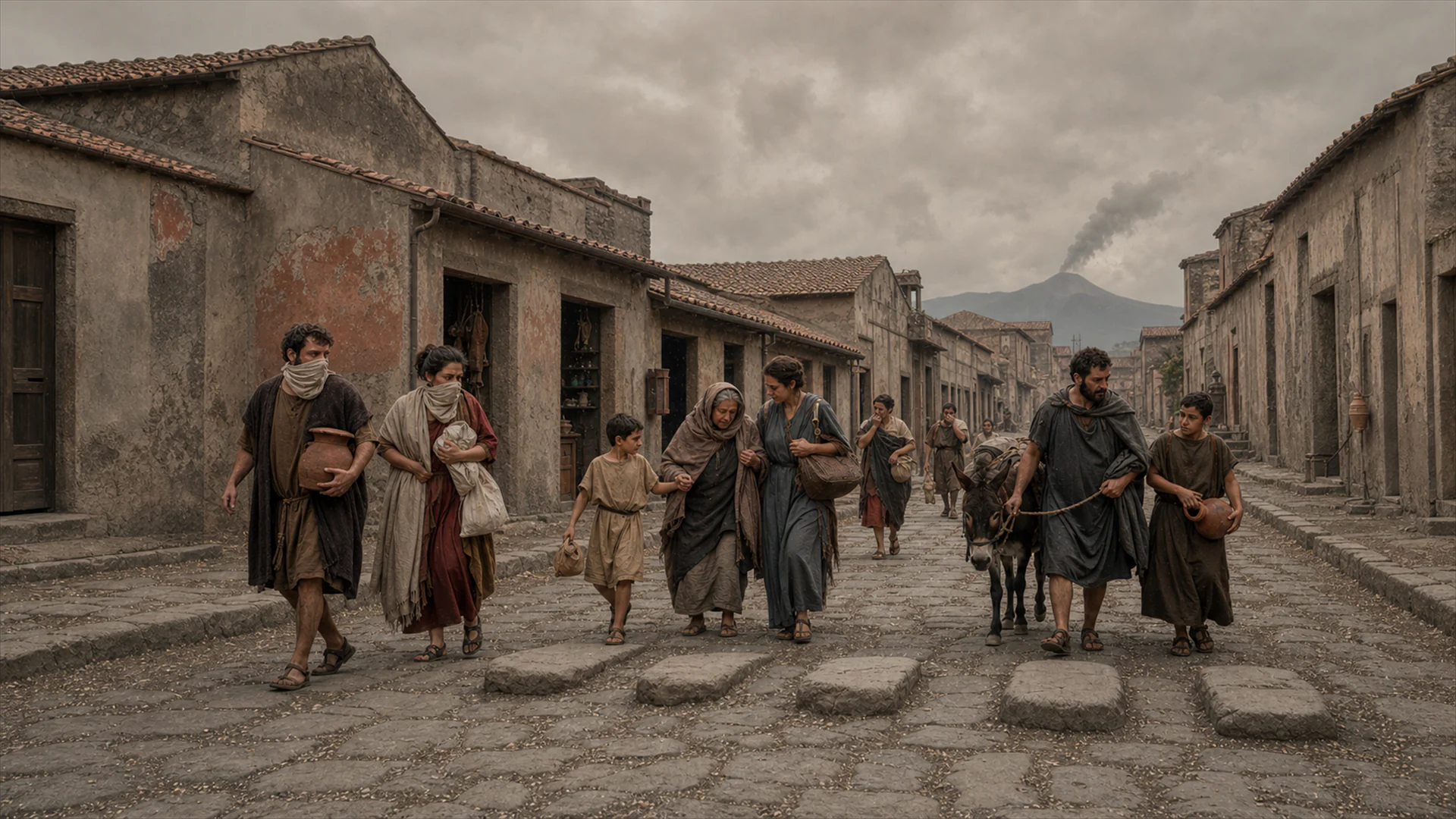
Interpretive reconstruction: Pompeii evacuation
Pompeii evacuation79 CE · Europe
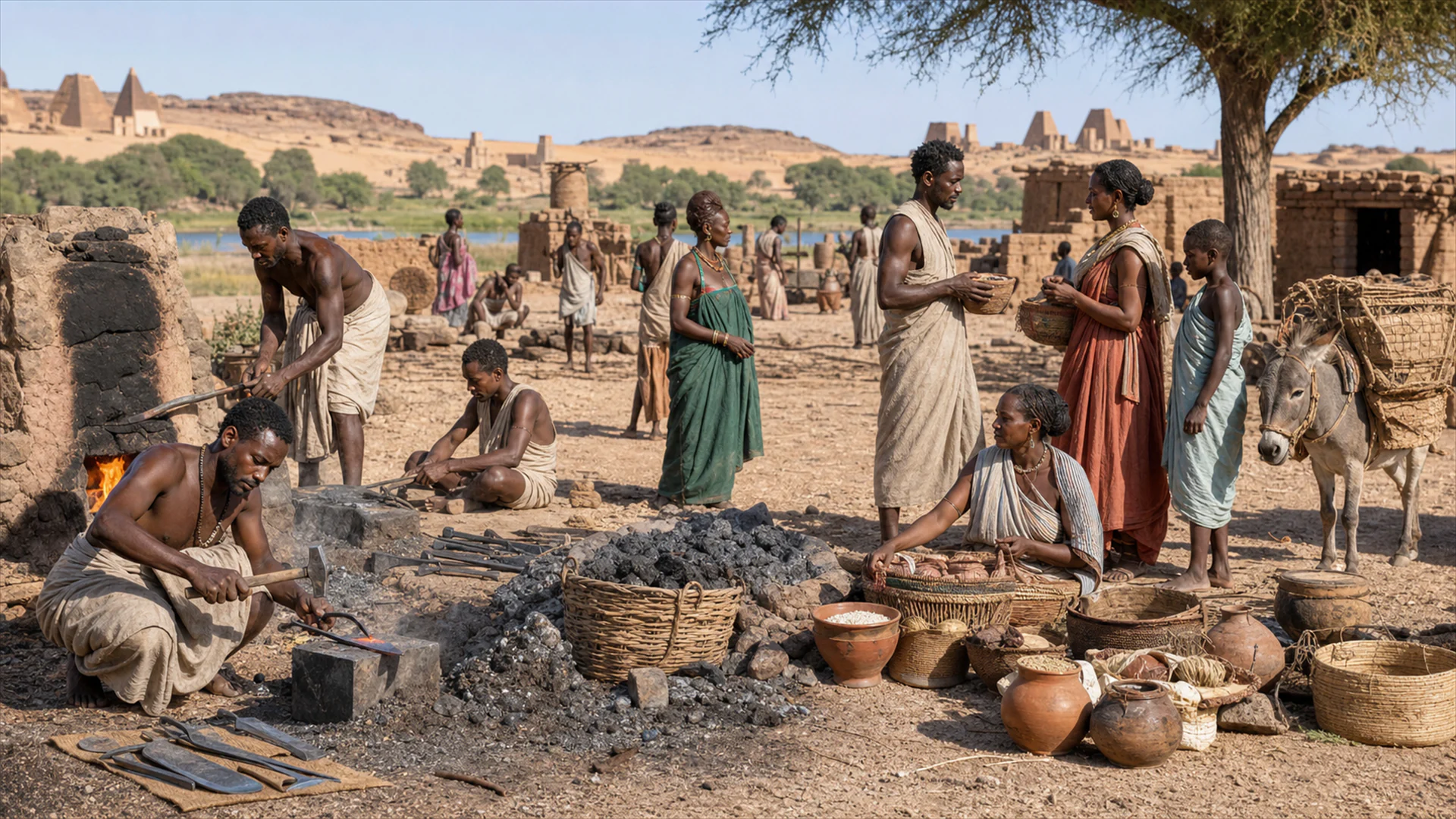
Interpretive reconstruction: Meroe ironwork and market
Meroe ironwork and marketc. 100 CE · Africa
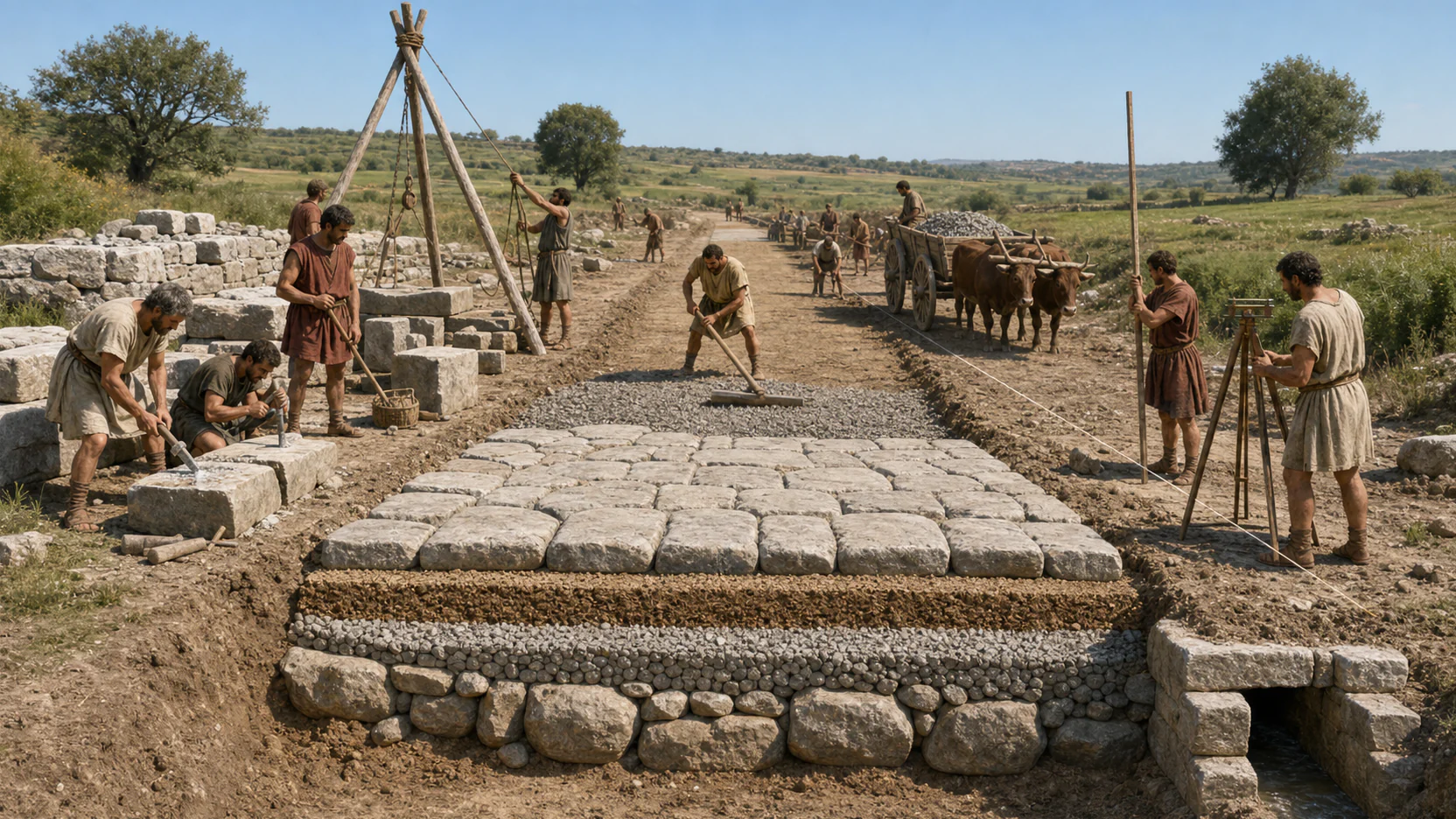
Interpretive reconstruction: Roman road construction
Roman road constructionc. 100 CE · Europe
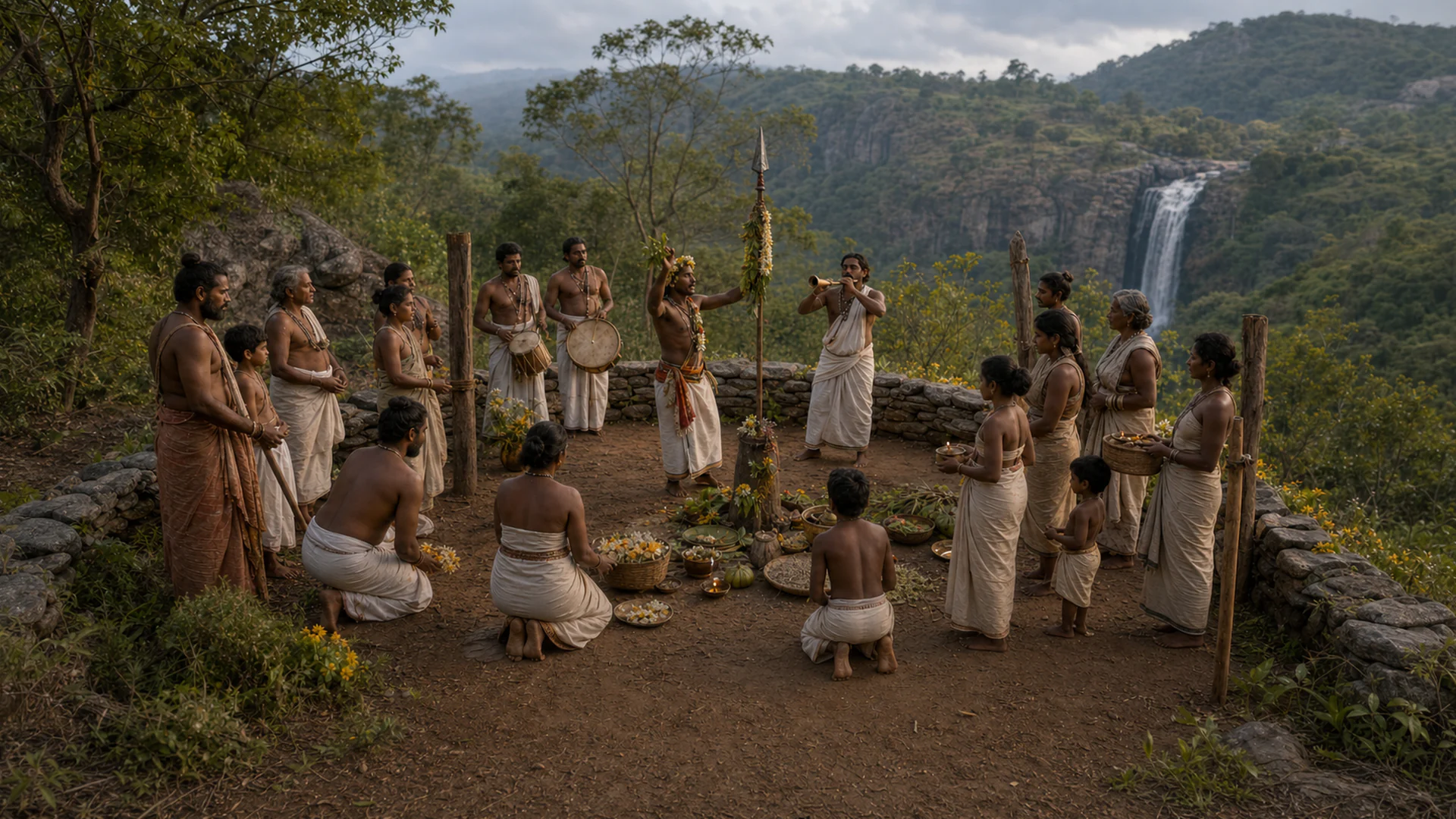
Interpretive reconstruction: Murugan hill-shrine gathering
Murugan hill-shrine gatheringc. 200 CE · Tamilakam · Conjectural scene based on literary and later ritual associations.
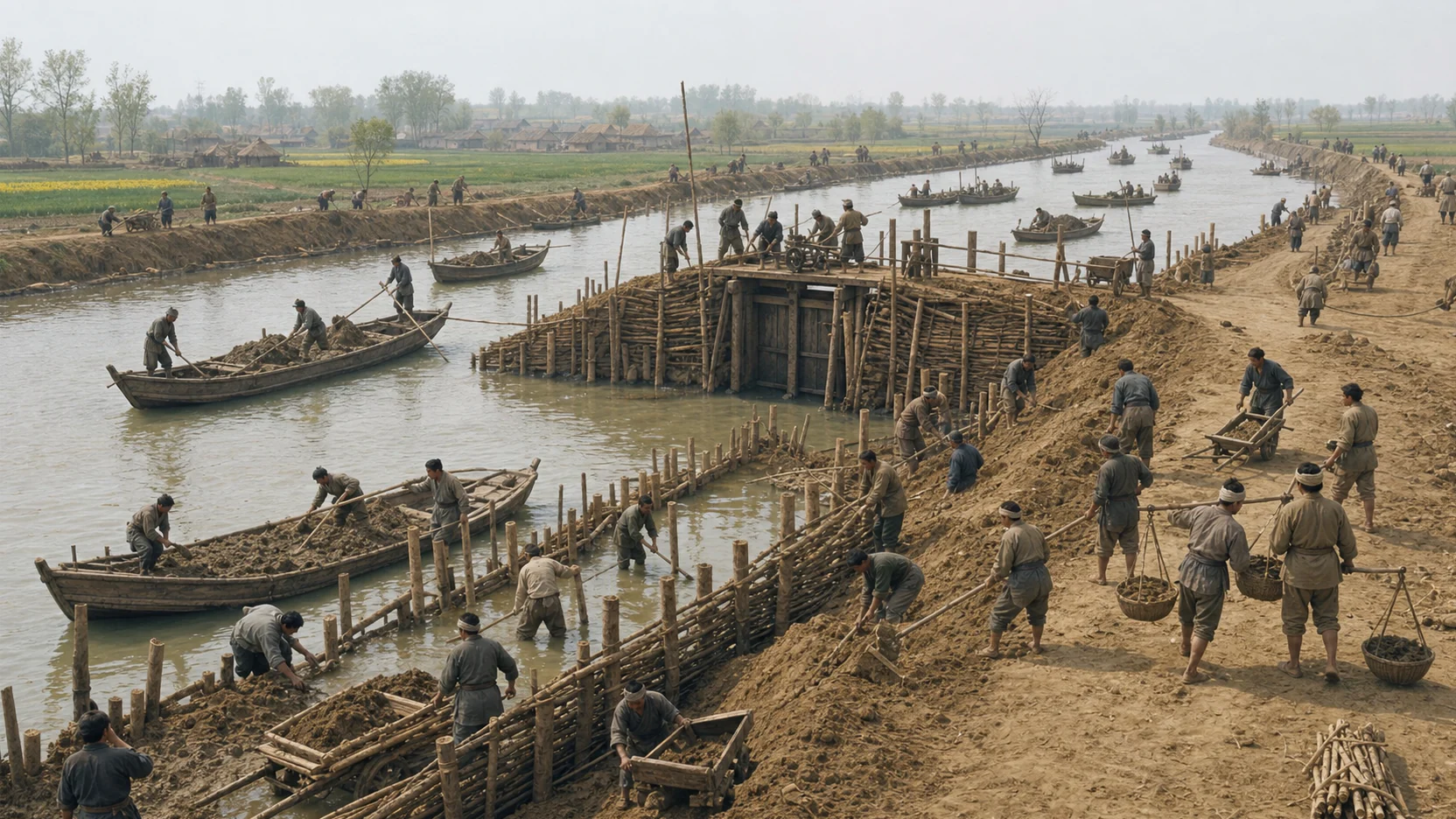
Interpretive reconstruction: Grand Canal construction
Grand Canal constructionc. 610 CE · East Asia
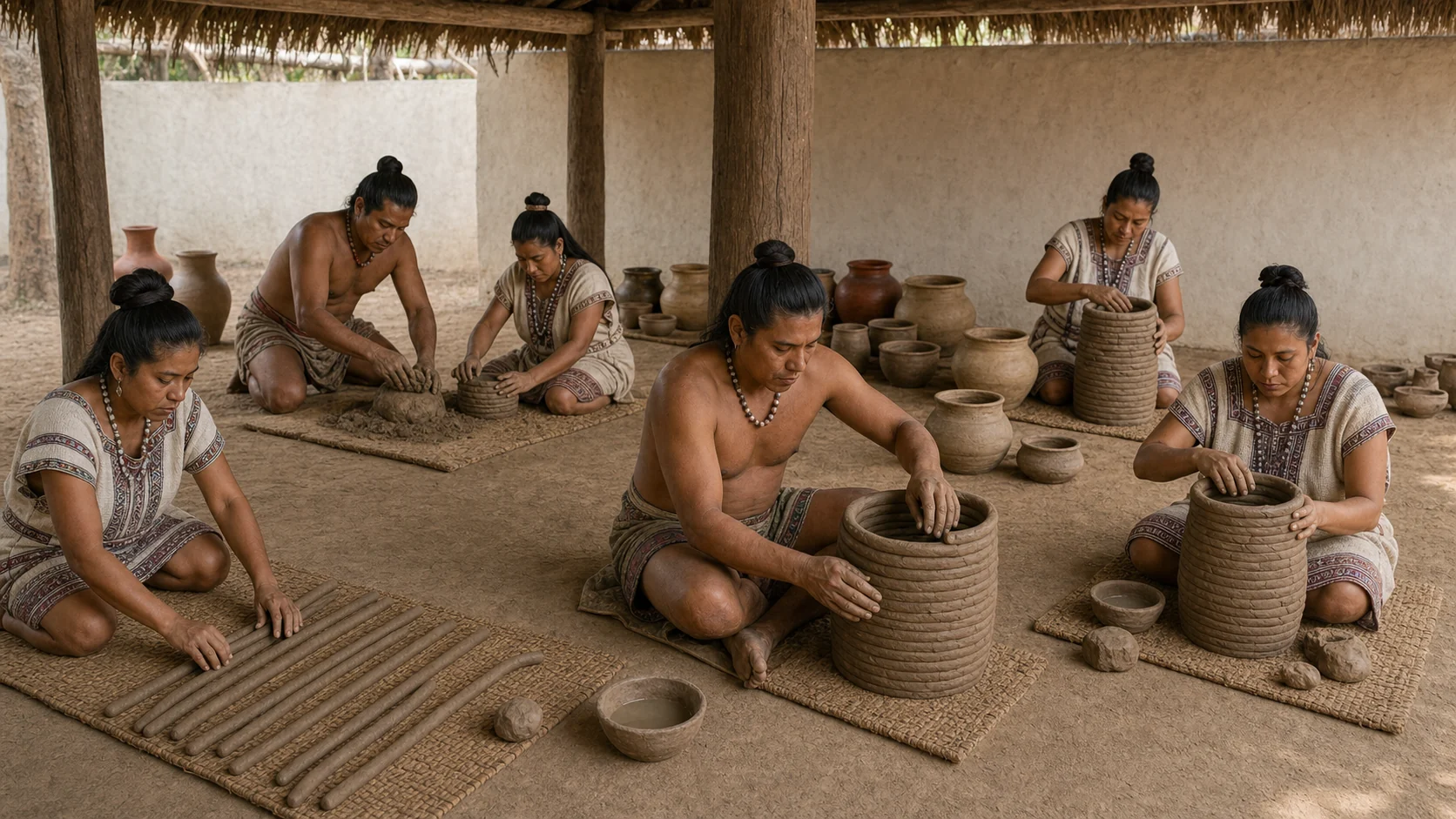
Interpretive reconstruction: Maya ceramic workshop
Maya ceramic workshopc. 700 CE · Mesoamerica · Composite clay preparation and coil-building scene.
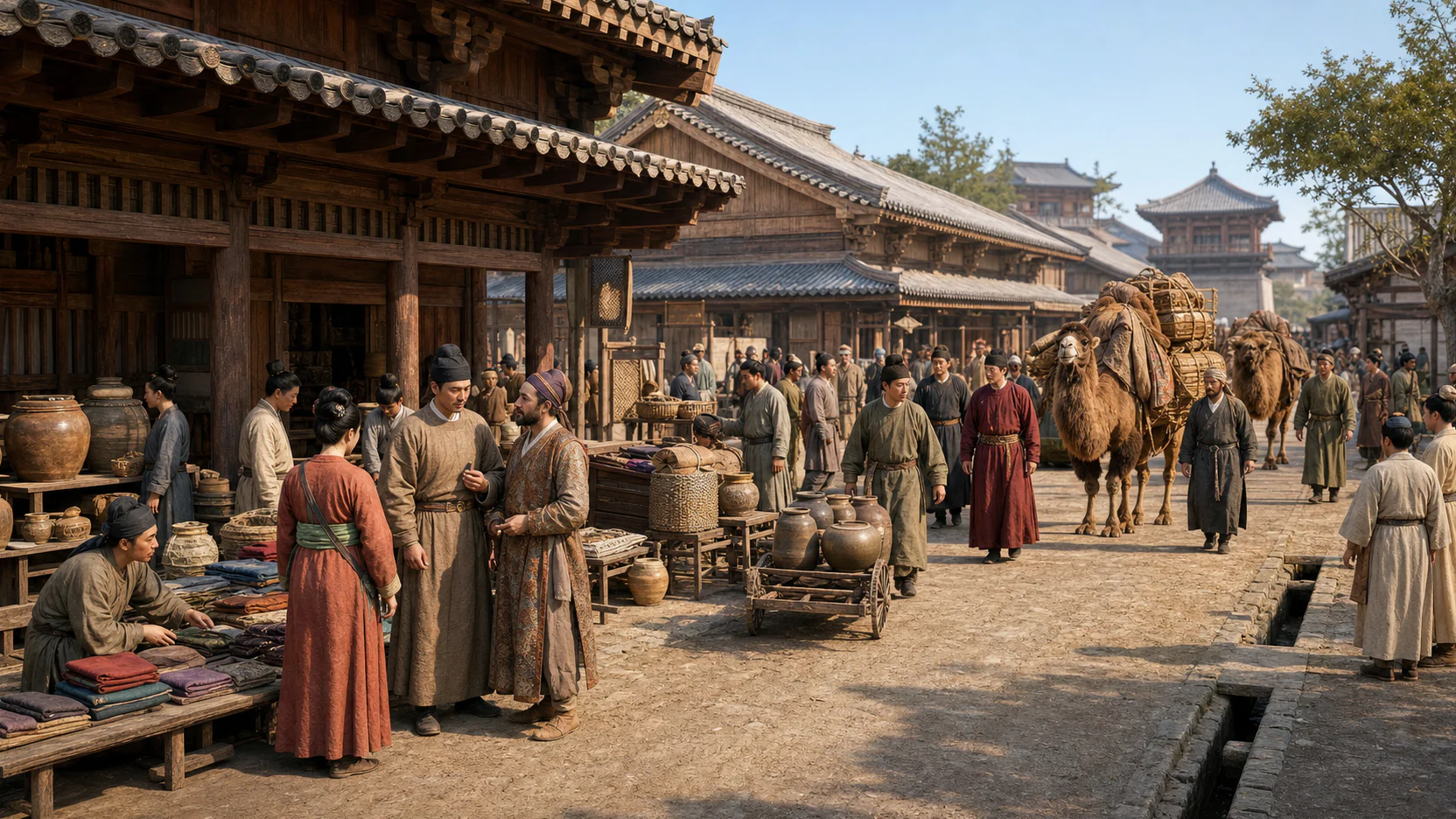
Interpretive reconstruction: Chang'an market
Chang'an marketc. 750 CE · East Asia
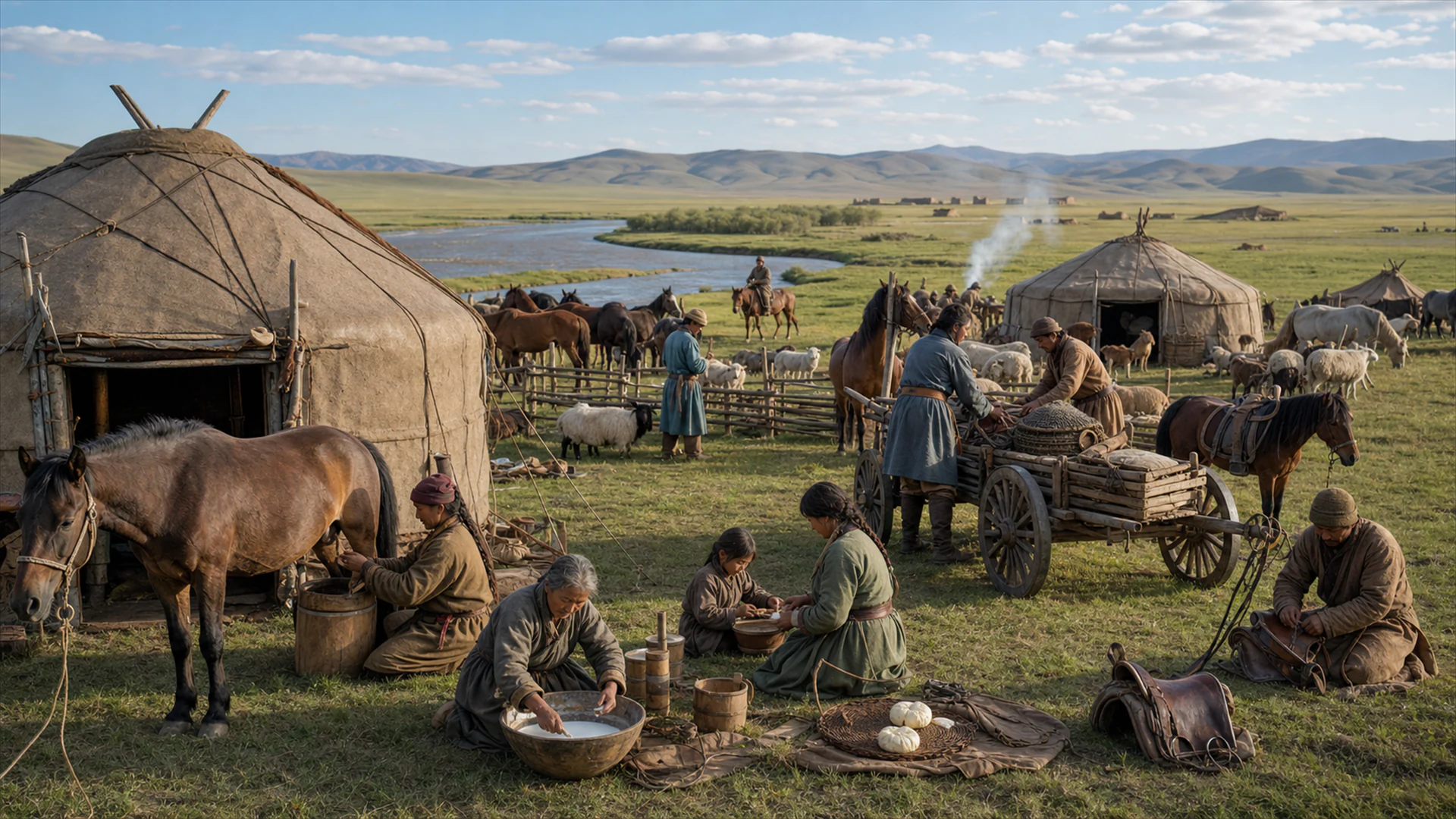
Interpretive reconstruction: Orkhon pastoral camp
Orkhon pastoral campc. 900 CE · Central Asia
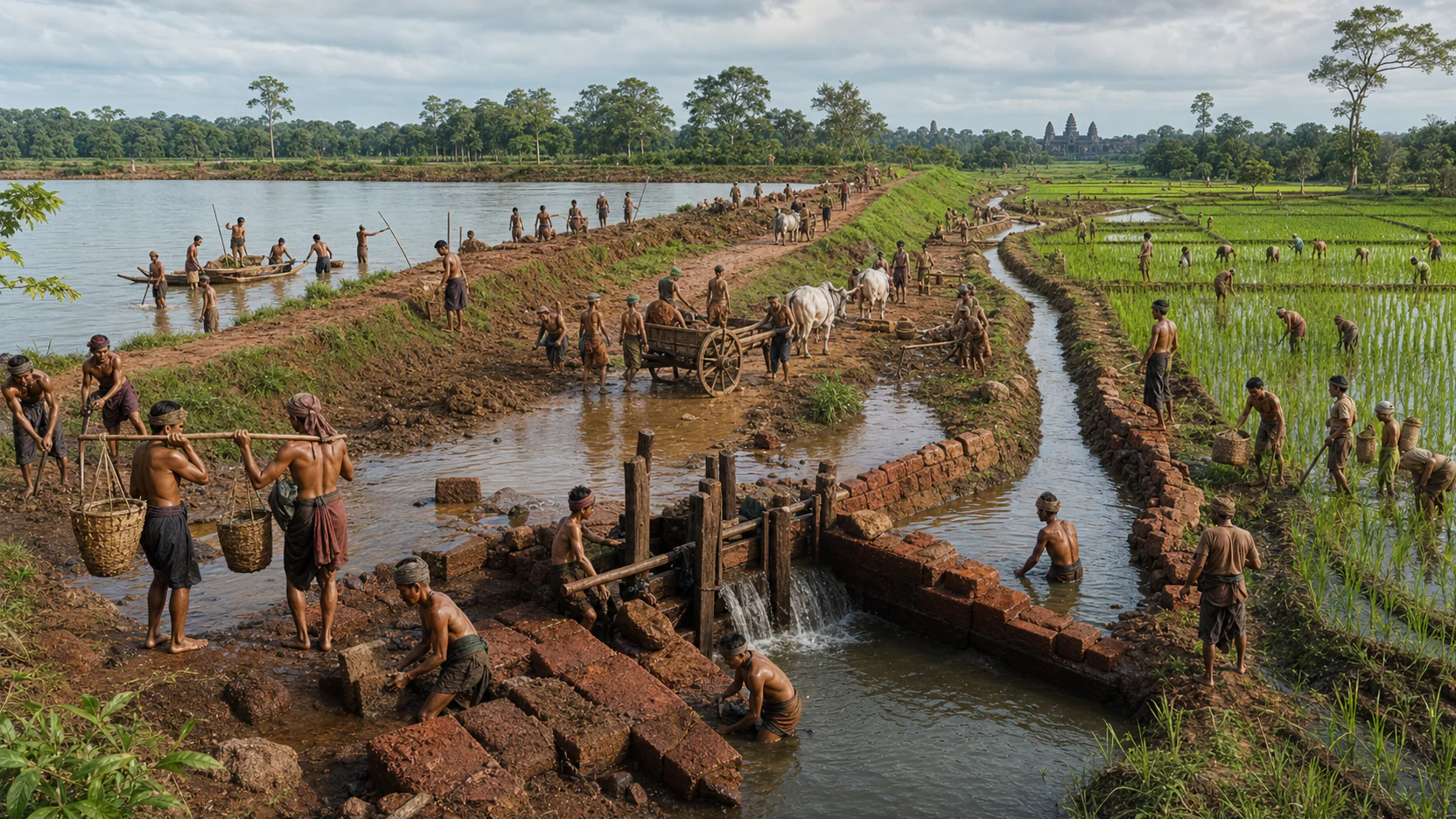
Interpretive reconstruction: Angkor water management
Angkor water managementc. 1200 CE · Southeast Asia
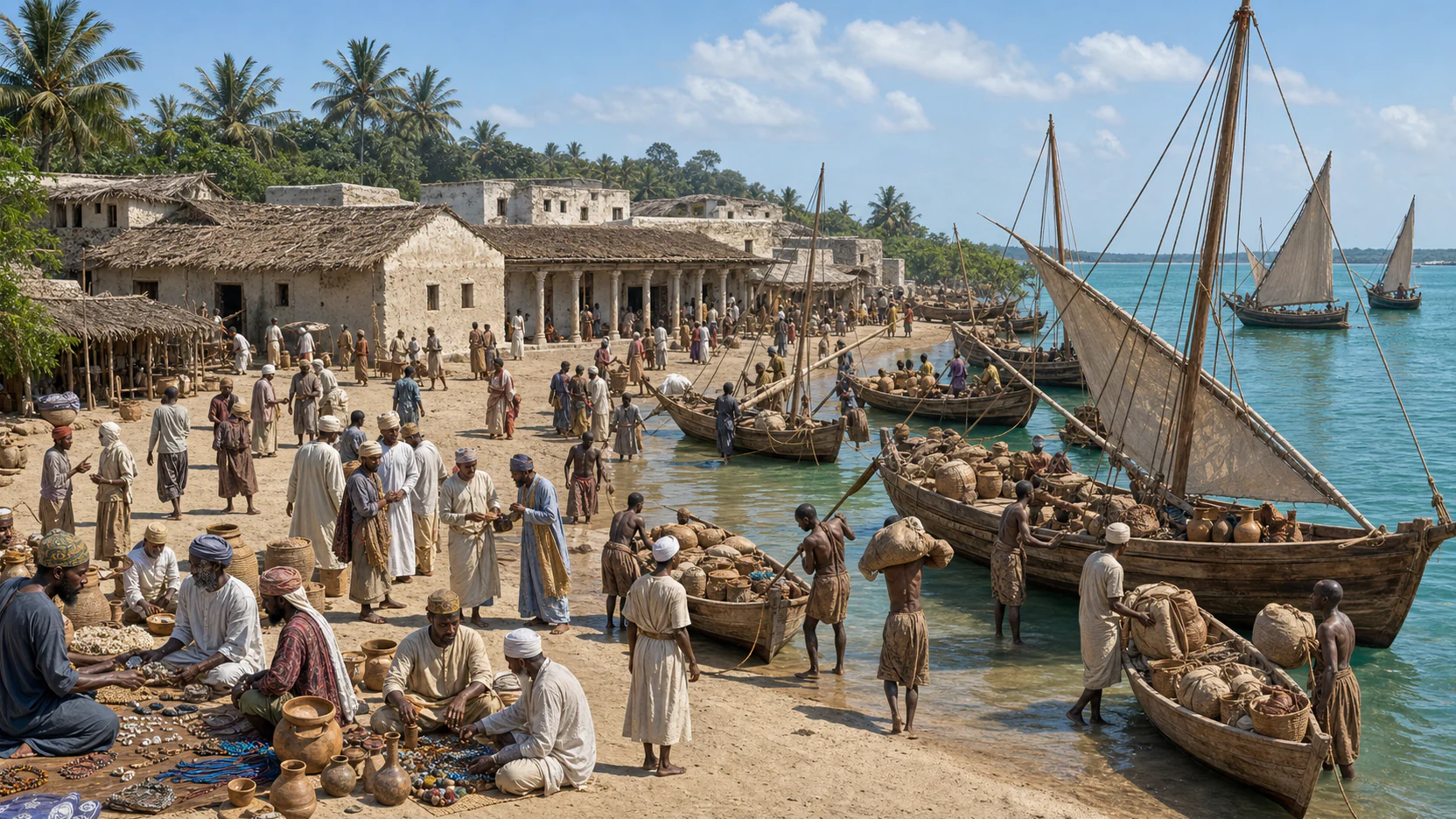
Interpretive reconstruction: Kilwa port
Kilwa portc. 1200 CE · Africa
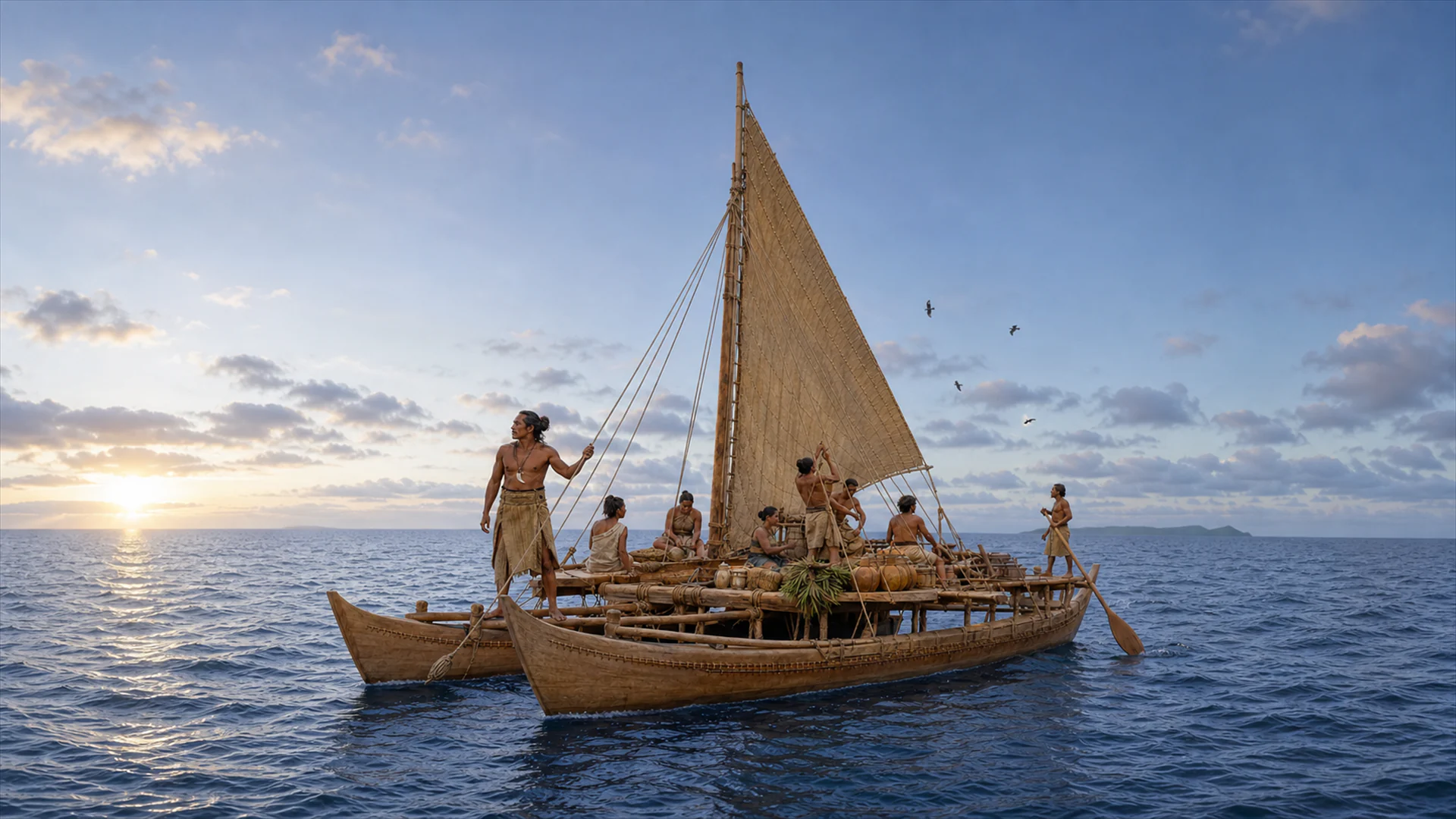
Interpretive reconstruction: Polynesian wayfinding
Polynesian wayfindingc. 1200 CE · Oceania
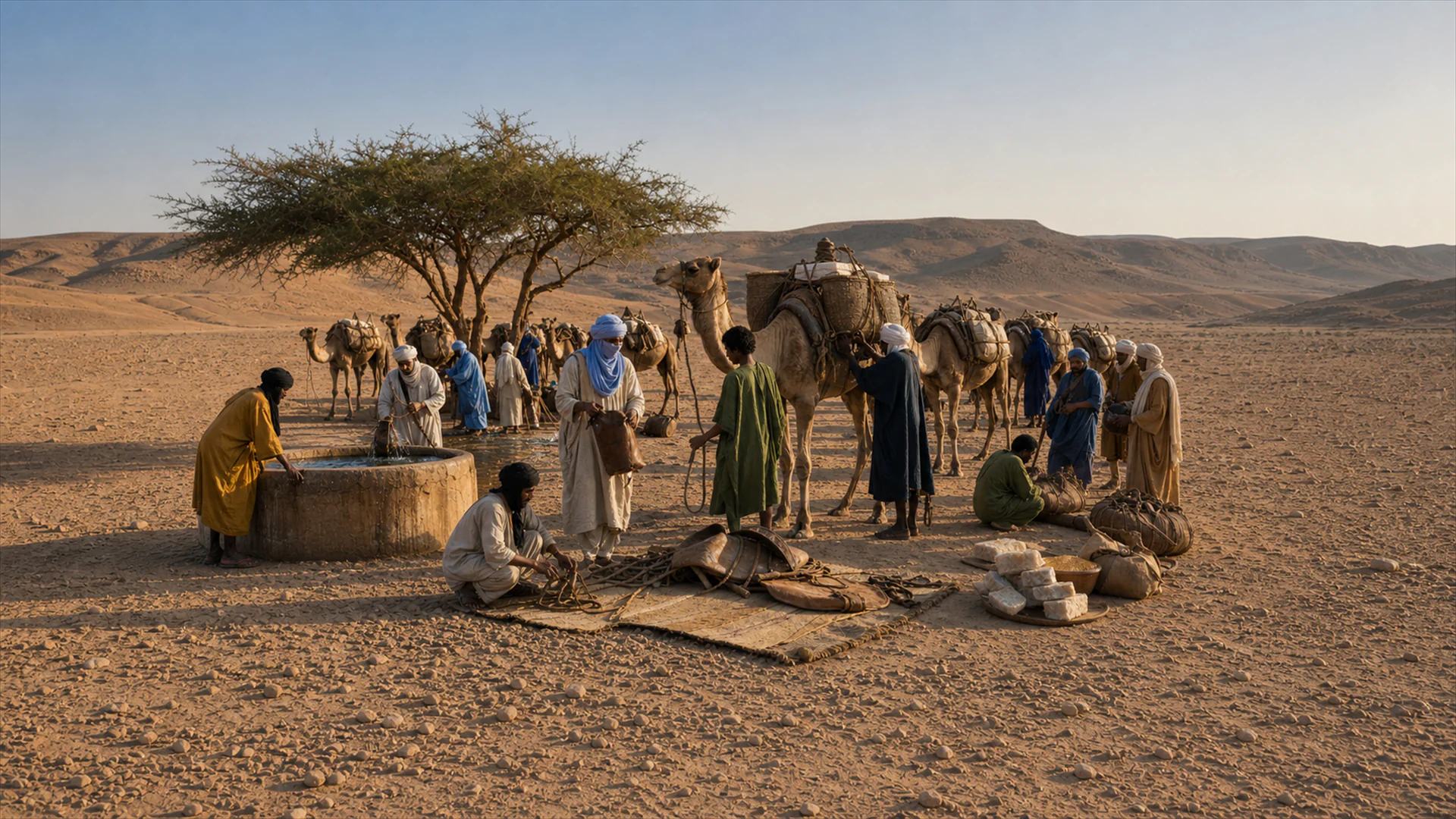
Interpretive reconstruction: Trans-Saharan caravan logistics
Trans-Saharan caravan logisticsc. 1300 CE · Africa
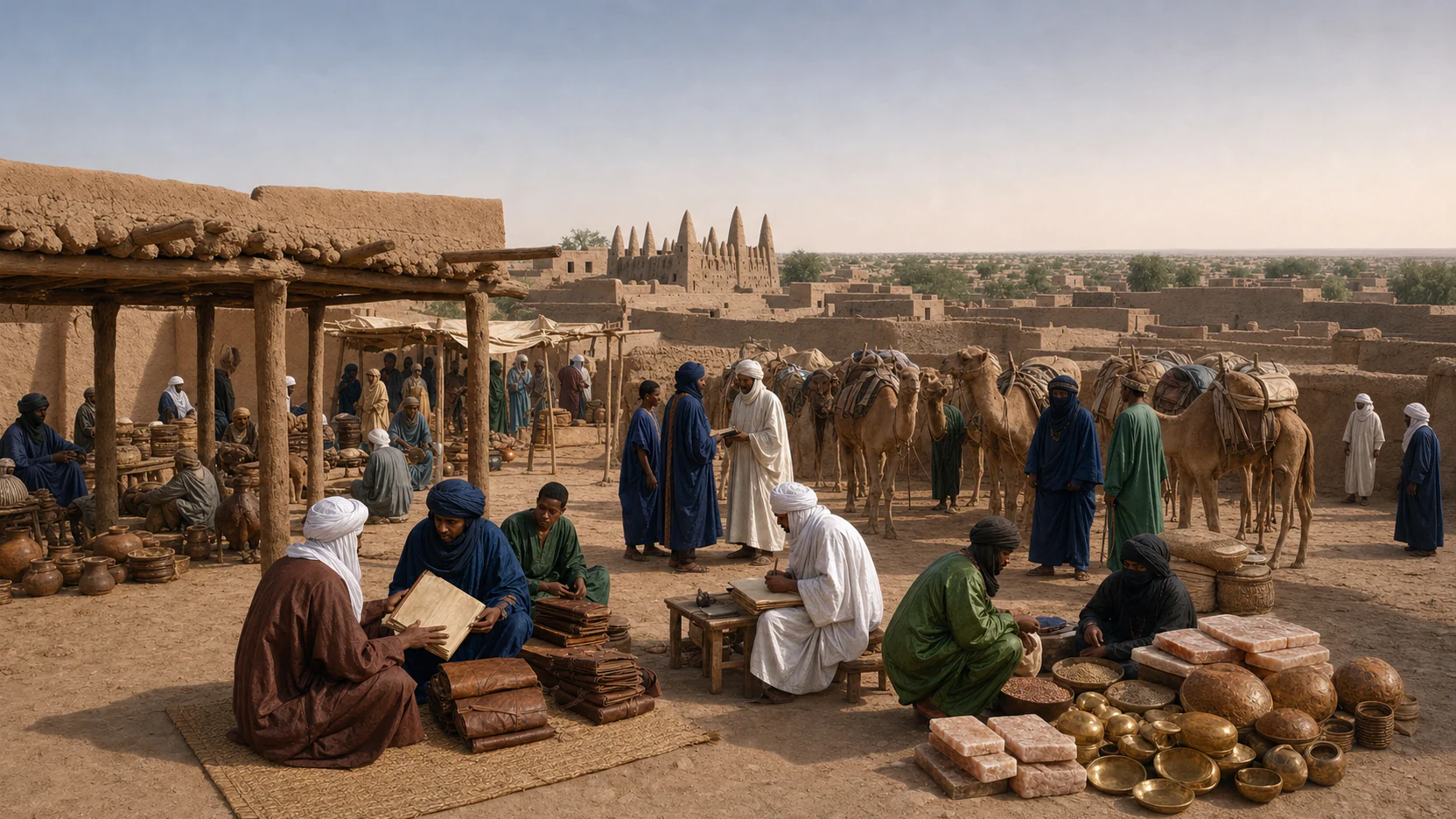
Interpretive reconstruction: Timbuktu manuscript market
Timbuktu manuscript marketc. 1400 CE · Africa
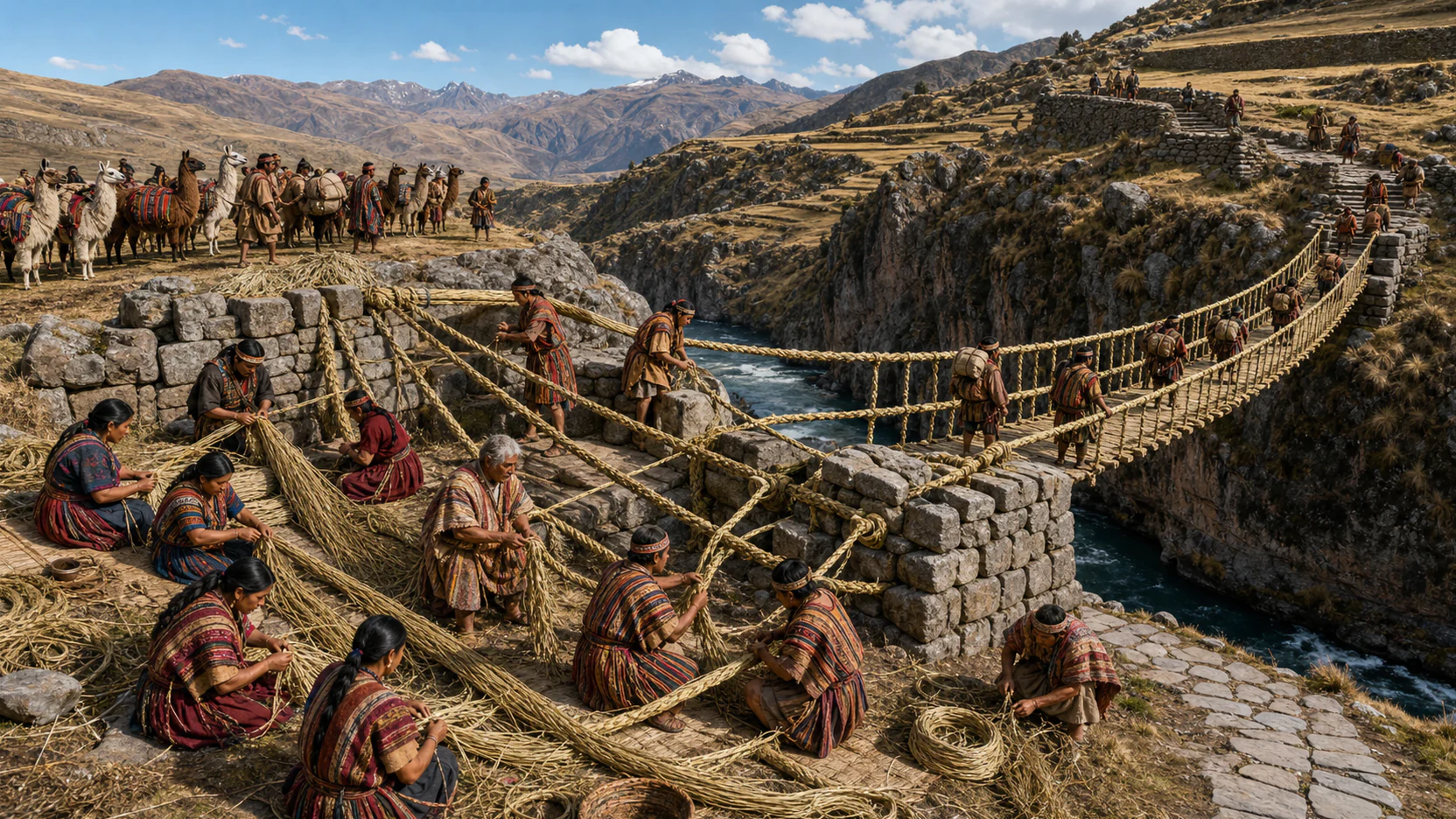
Interpretive reconstruction: Inca road and bridge renewal
Inca road and bridge renewalc. 1450 CE · South America
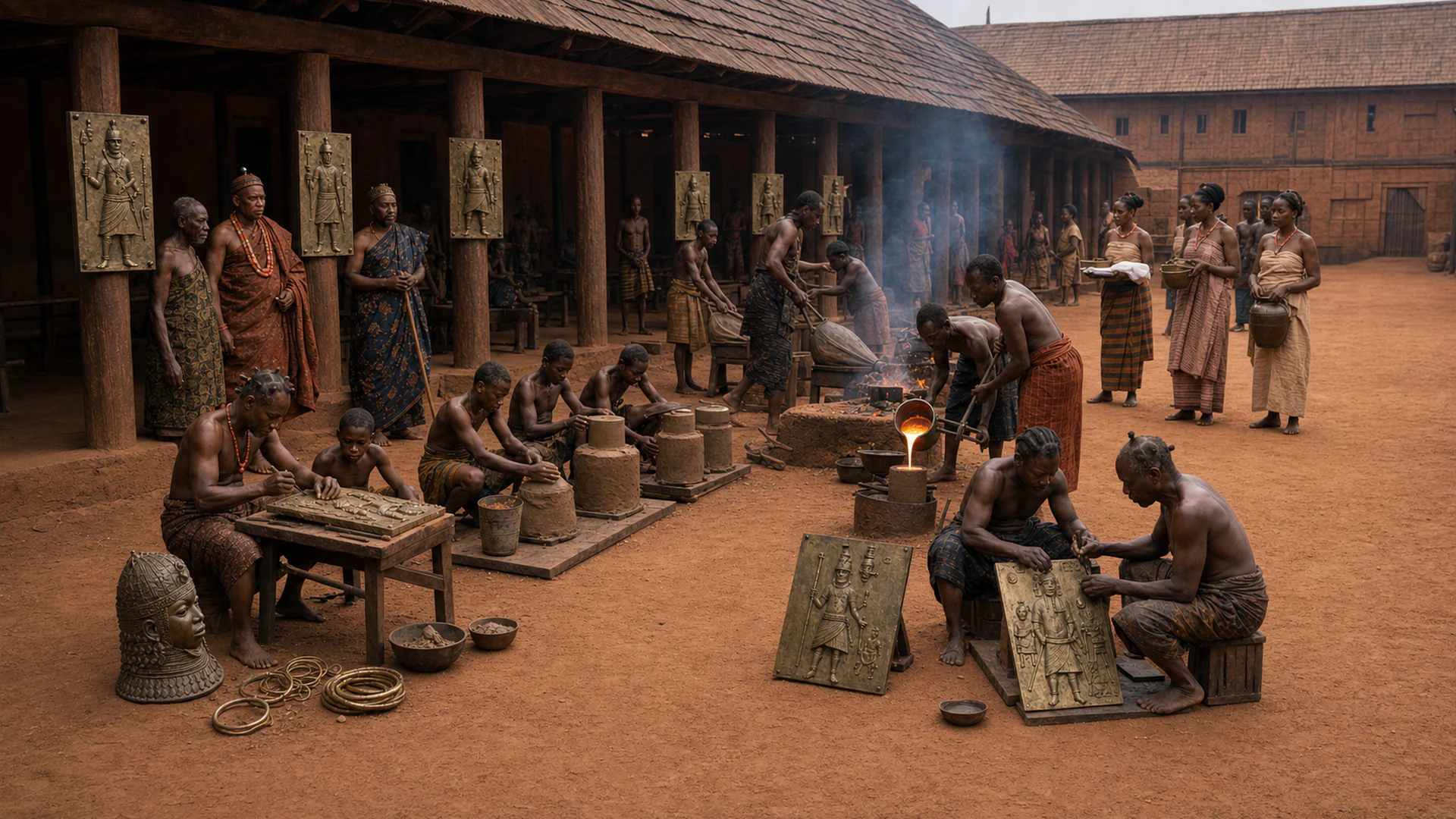
Interpretive reconstruction: Benin court brass casting
Benin court brass castingc. 1550 CE · West Africa · Guild workflow and palace arrangement are compressed into one scene.
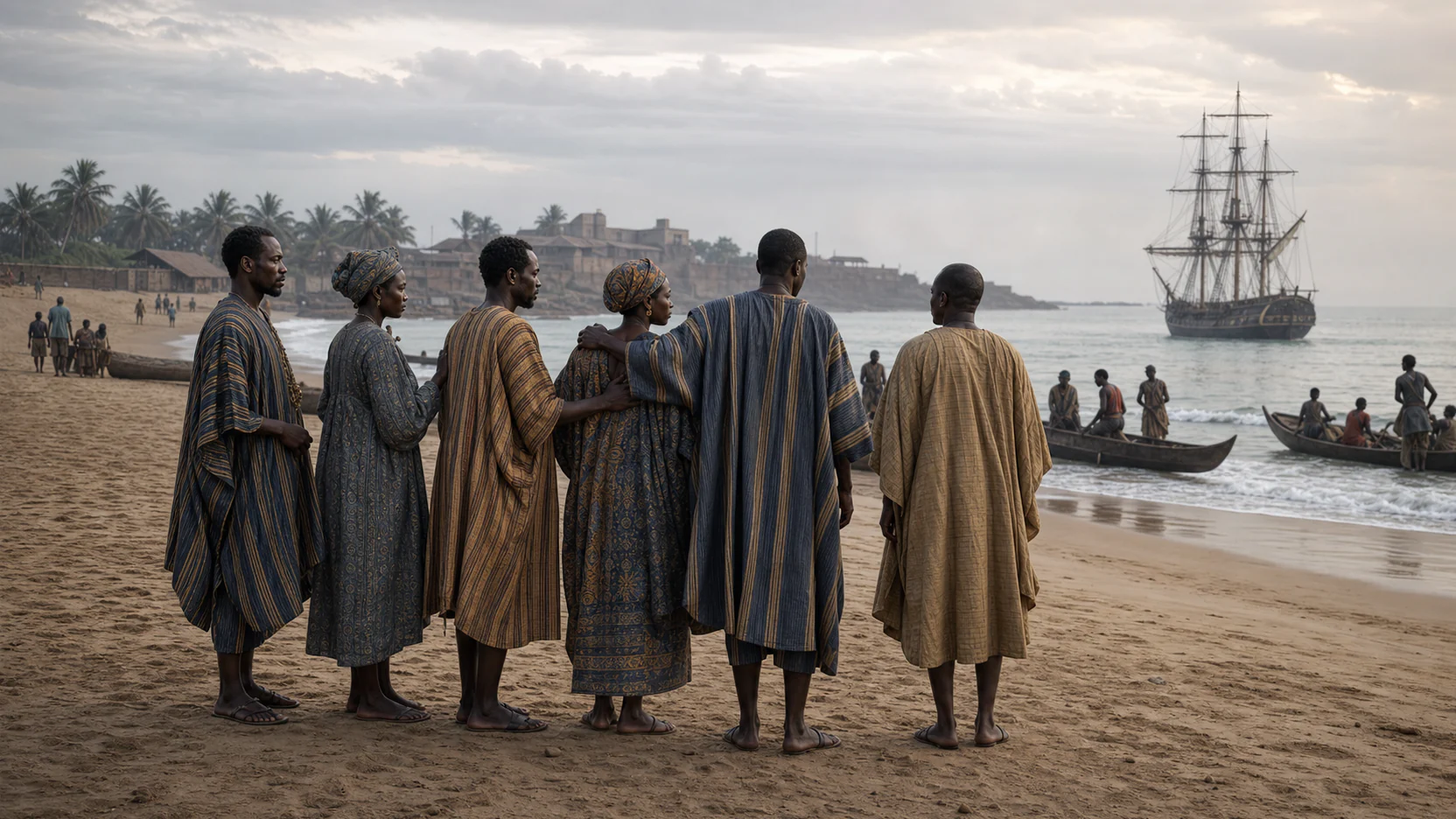
Interpretive reconstruction: Atlantic forced migration
Atlantic forced migrationc. 1750 CE · Africa and Atlantic
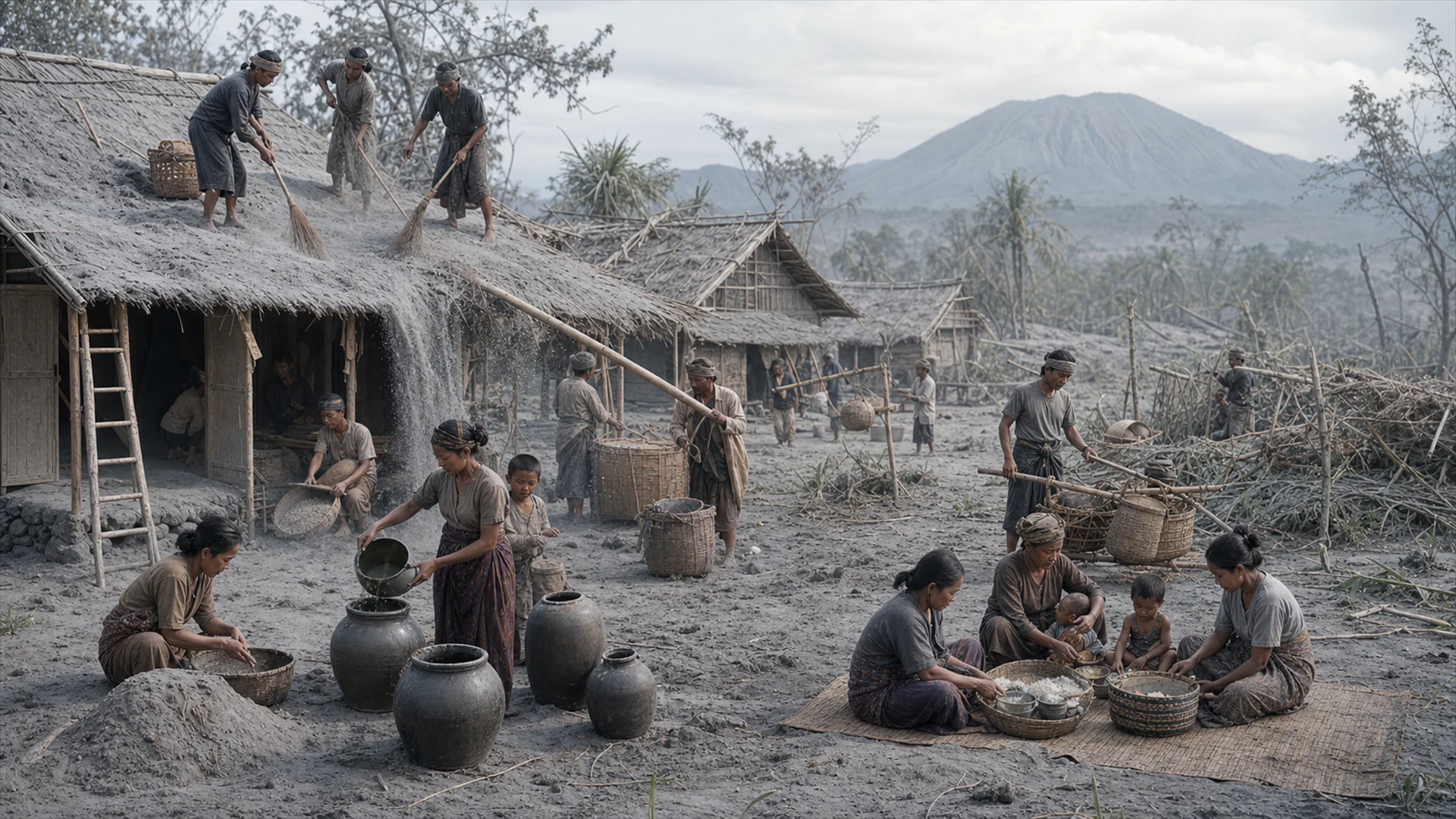
Interpretive reconstruction: Tambora aftermath and community recovery
Tambora aftermath and community recovery1815 CE · Southeast Asia
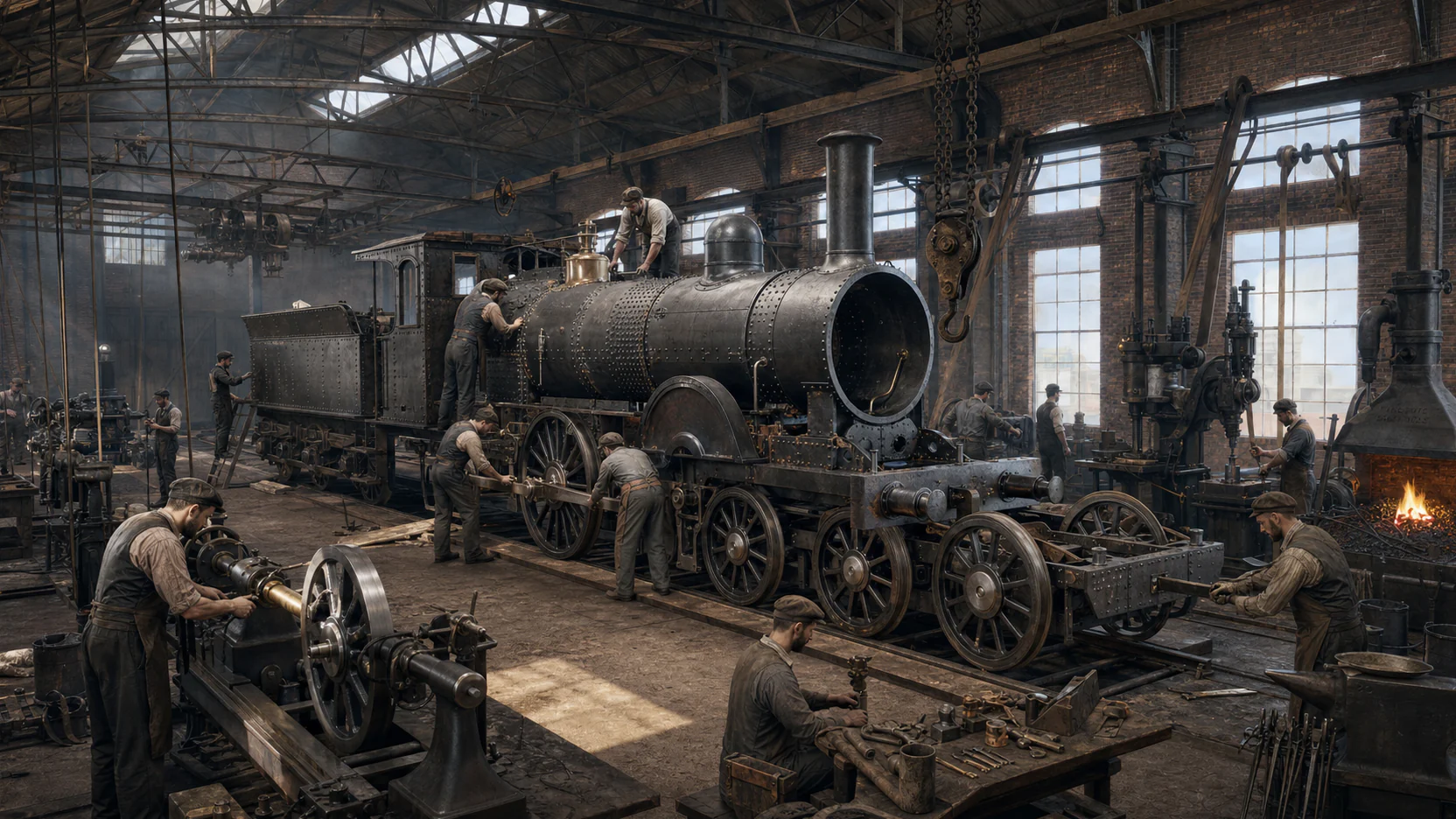
Interpretive reconstruction: Steam locomotive workshop
Steam locomotive workshopc. 1880 CE · industrial world
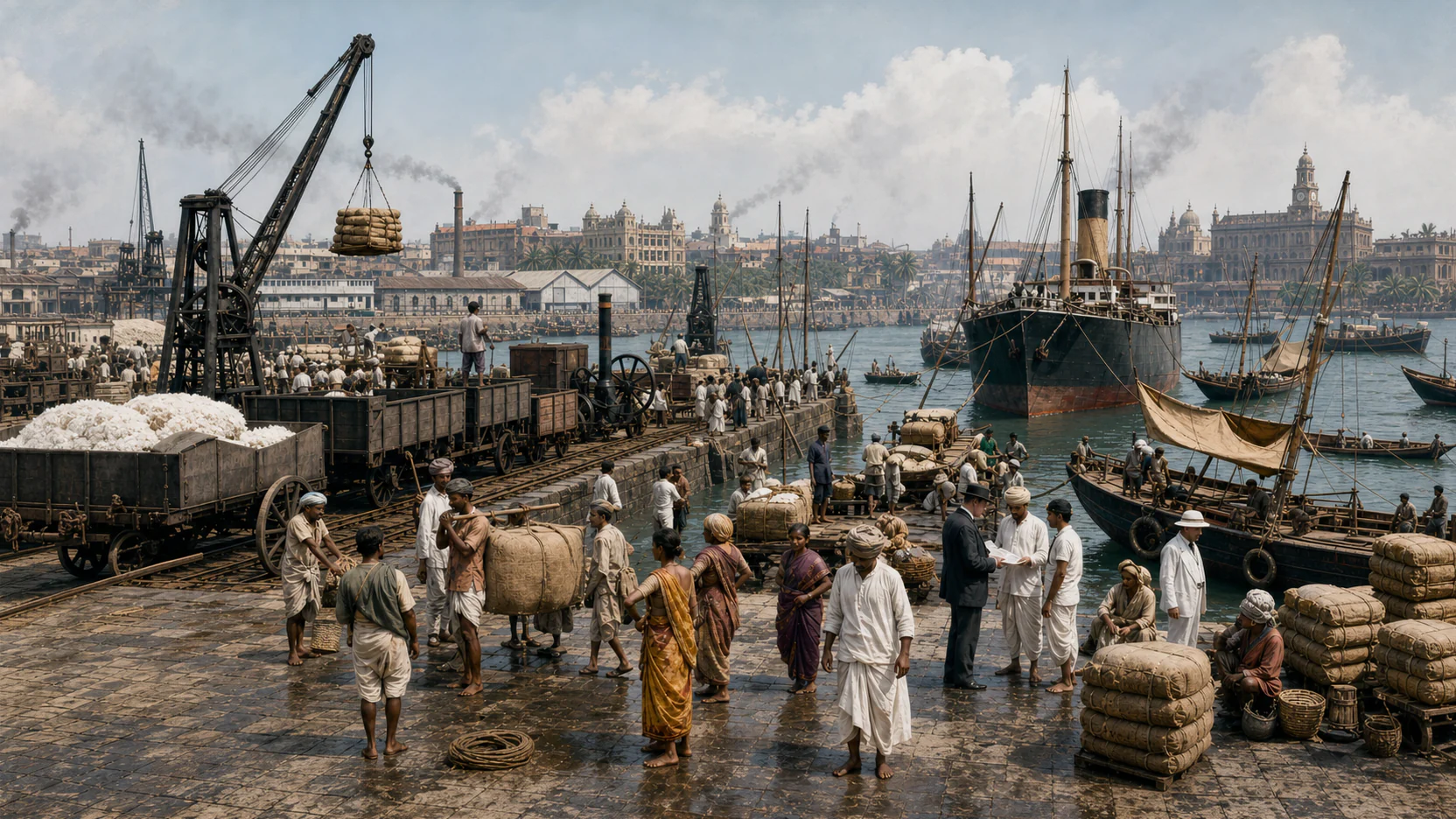
Interpretive reconstruction: Bombay industrial port
Bombay industrial portc. 1890 CE · South Asia
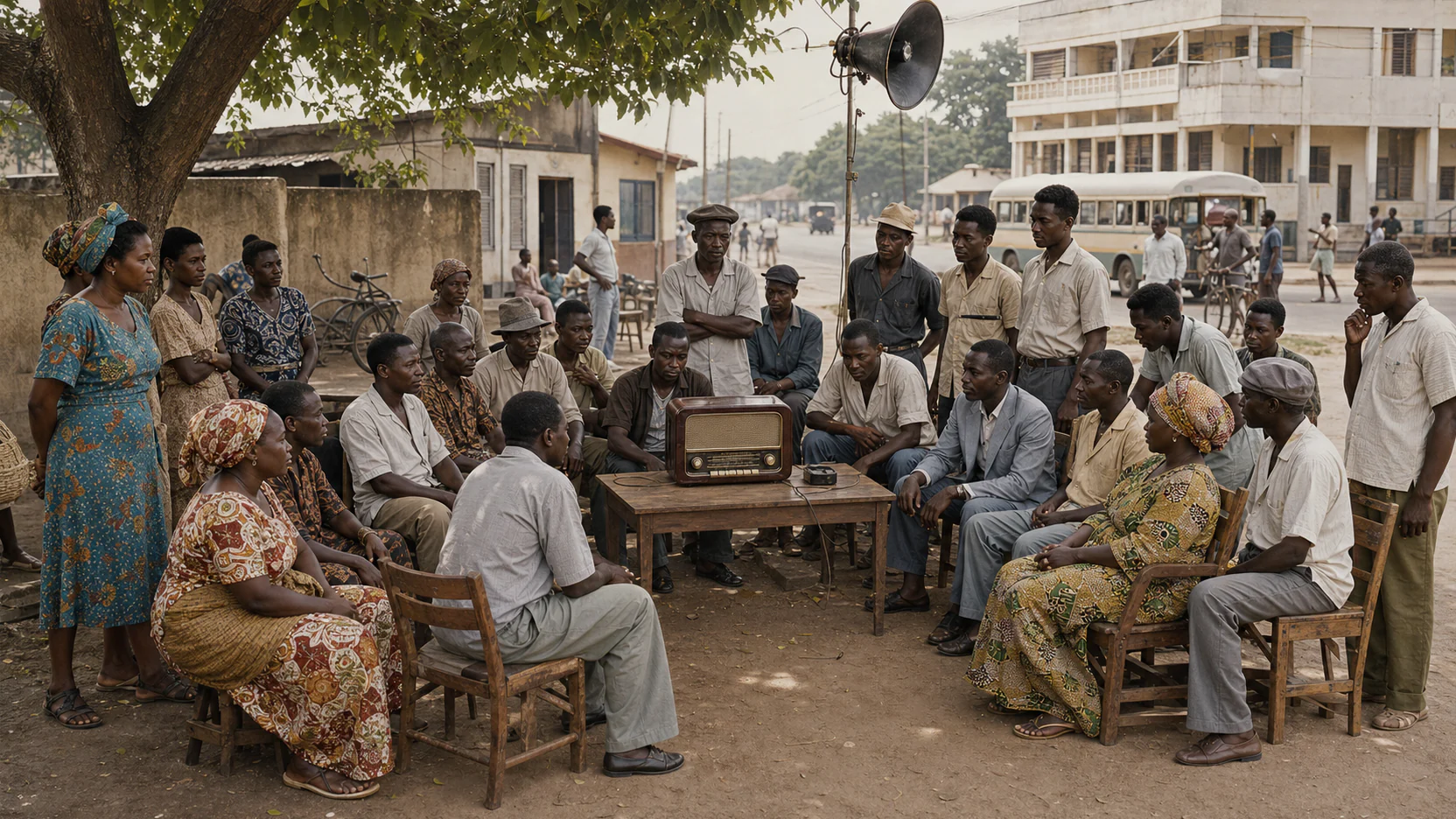
Interpretive reconstruction: Decolonization and public radio
Decolonization and public radioc. 1960 CE · Africa
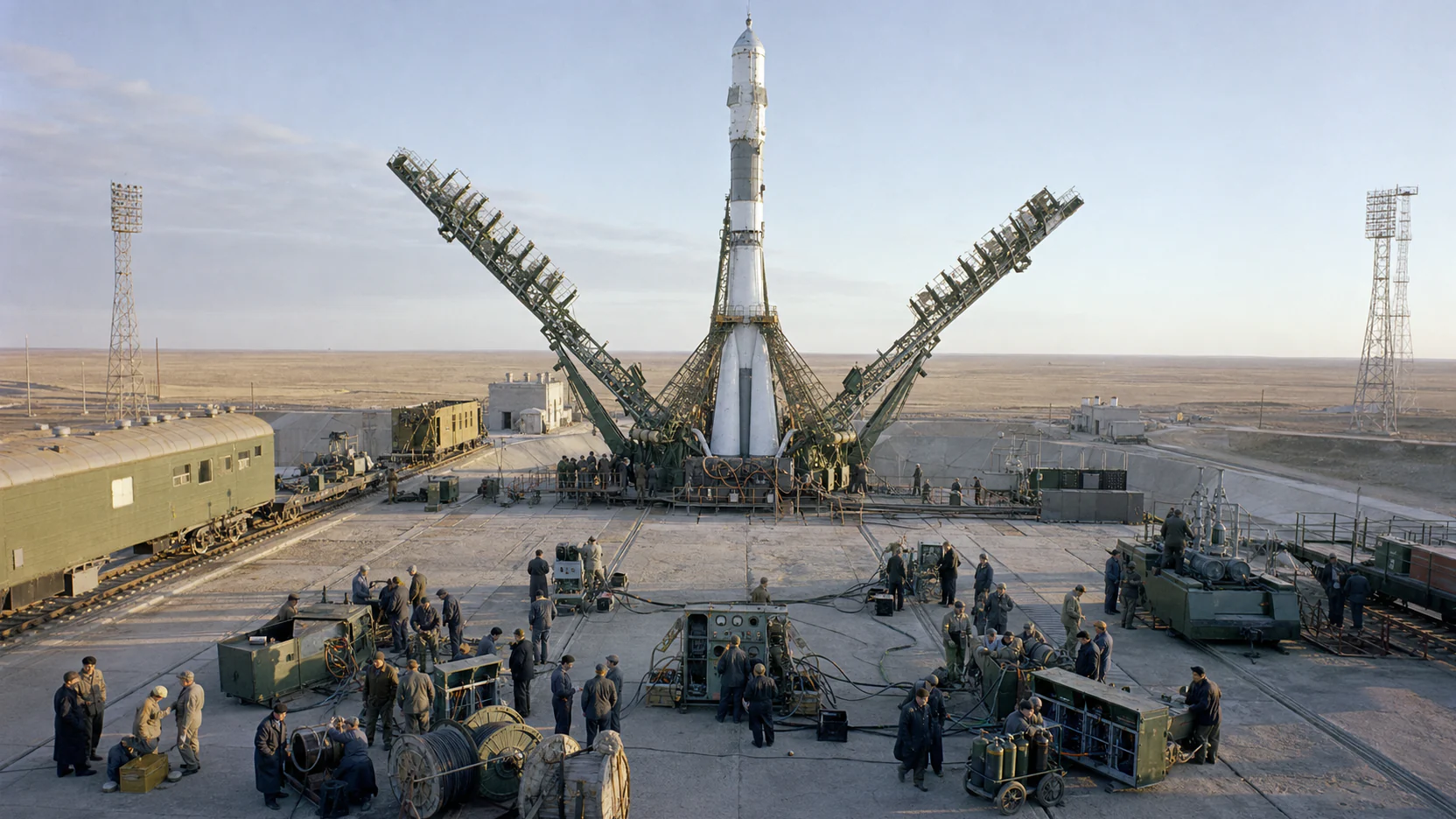
Interpretive reconstruction: Baikonur spaceflight work
Baikonur spaceflight work1961 · Central Asia
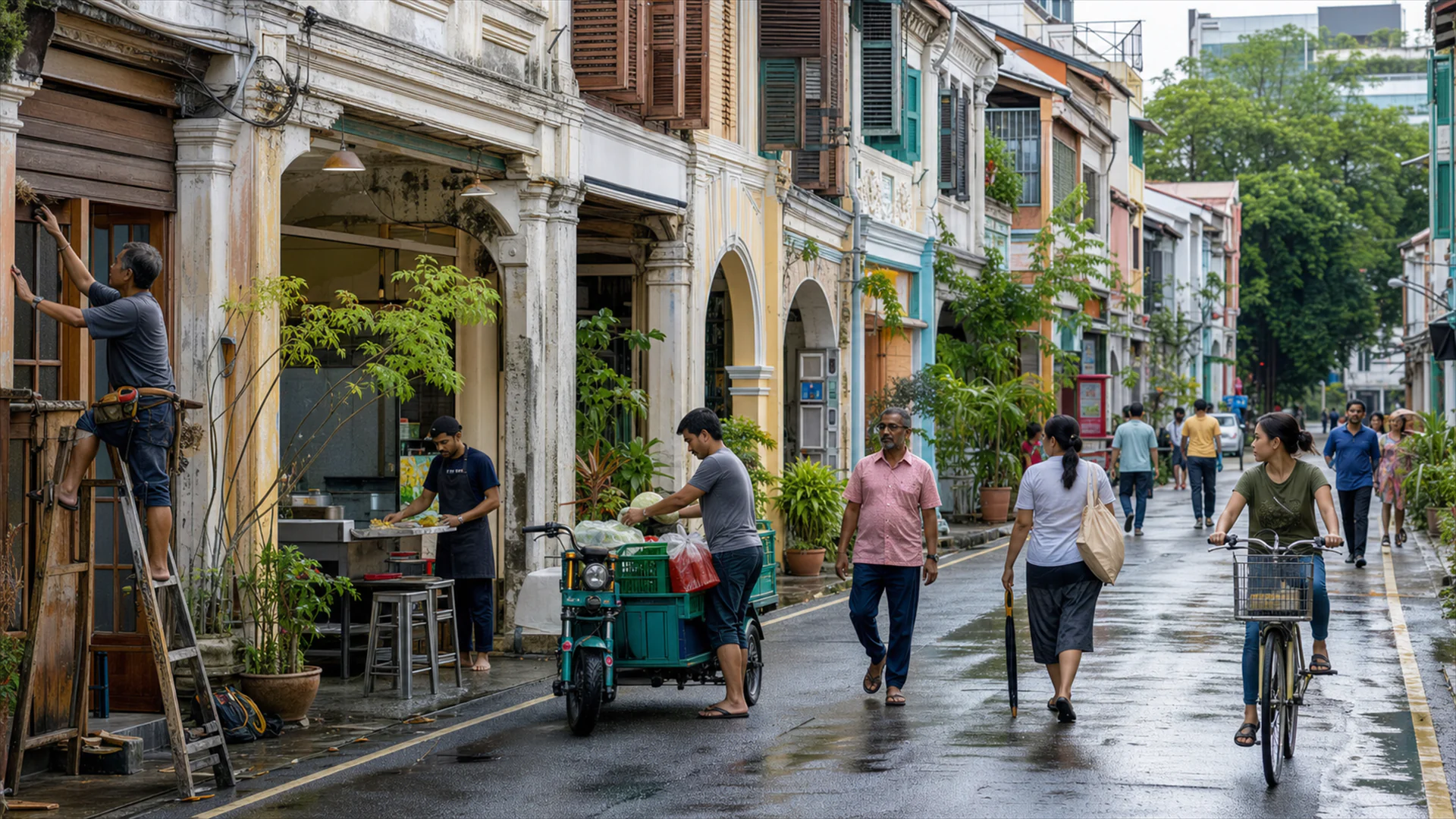
Interpretive reconstruction: Living heritage city
Living heritage city2026 · global present

Detailed regional chapters

Continue from the map into a place and period

These chapters go deeper into ordinary life, labor, worship, evidence and named places. They do not define the world map.
Continuous chronology

One world, many histories

The timeline does not rank societies by a single ladder of progress. It follows overlapping histories, migrations, Indigenous continuity, unequal power and changing environments.

01

Human origins

Several human species coexisted and interbred. Early movement is shown as broad, changing ranges, not a single march.

02

Settlements and states

Foragers, pastoralists, villages, cities and empires remained contemporaries; one form did not automatically replace another.

03

Colonial and Indigenous worlds

Conquest, forced migration and extraction are placed beside resistance, survival, adaptation and living sovereignty.

04

Industrial to digital

Labor, public health, war, decolonization, migration, computing and climate change carry the map through the present.

Built from traces

Evidence first. Reconstruction second.

01

Material evidence

Houses, tools, ceramics, inscriptions, human remains, landscapes and monuments establish what can be claimed.

02

Written evidence

Administrative texts, literature and ritual records are read as authored sources, not transparent transcripts of society.

03

Visible uncertainty

Broad dates, regional differences and interpretive imagery are labeled instead of being hidden behind certainty.

Open the complete source ledger
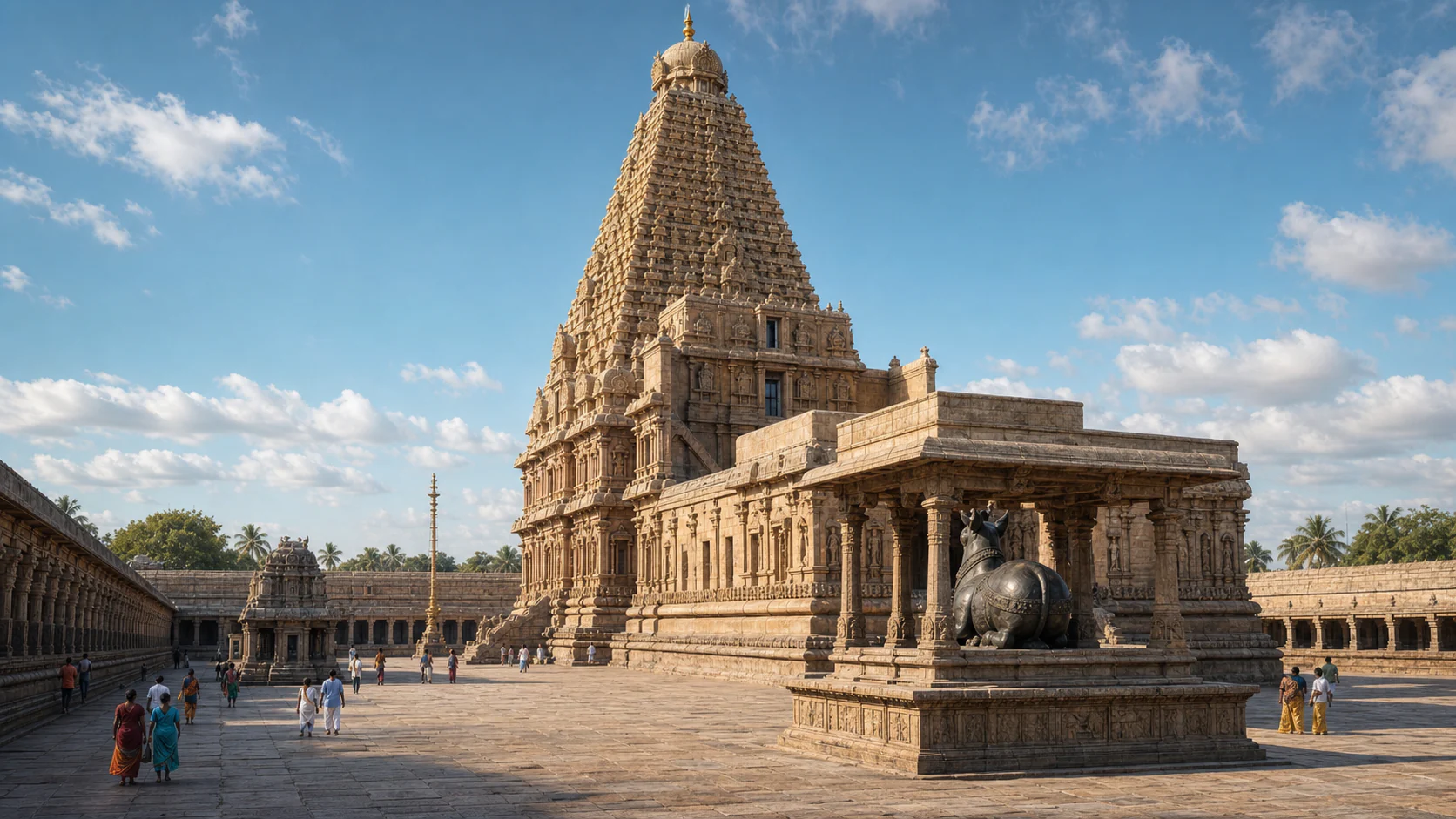
Evidence-guided artistic reconstruction of Brihadisvara Temple, Thanjavur

Detailed Tamil temple collection

Eight named temples, from Pallava stone experiments to Chola monuments.

Explore the temples